The Story
Narrative Overview
On a quiet night train, two men sit across from each other, sharing a moment that feels
both ordinary and risky. A simple game of cards begins, slowly shifting the atmosphere as
the boundary between reality and imagination starts to dissolve.
As the cards come to life, the game transforms into a symbolic journey through unfamiliar spaces,
where connection, tension, and escape take center stage. Moving between intimate moments and
surreal encounters, Descarrilados unfolds as a story about closeness, chance, and the fragile
line between play and danger.
The Environment
Where the Journey Unfolds
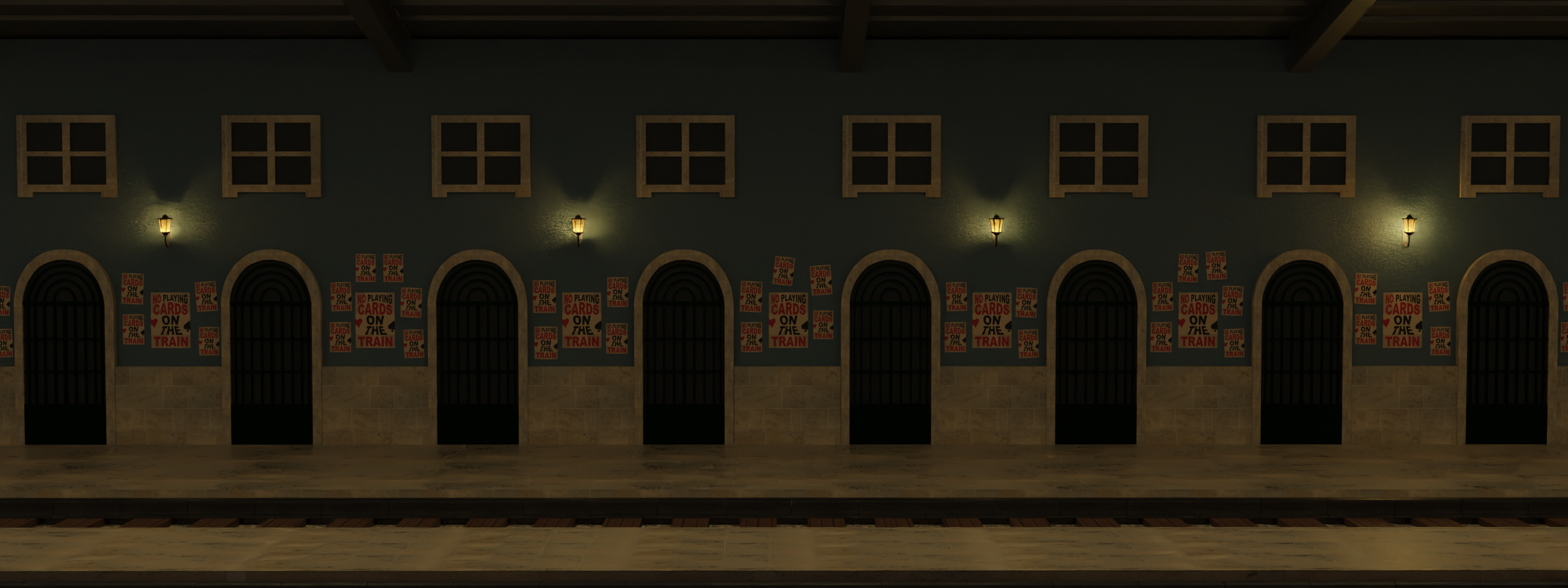
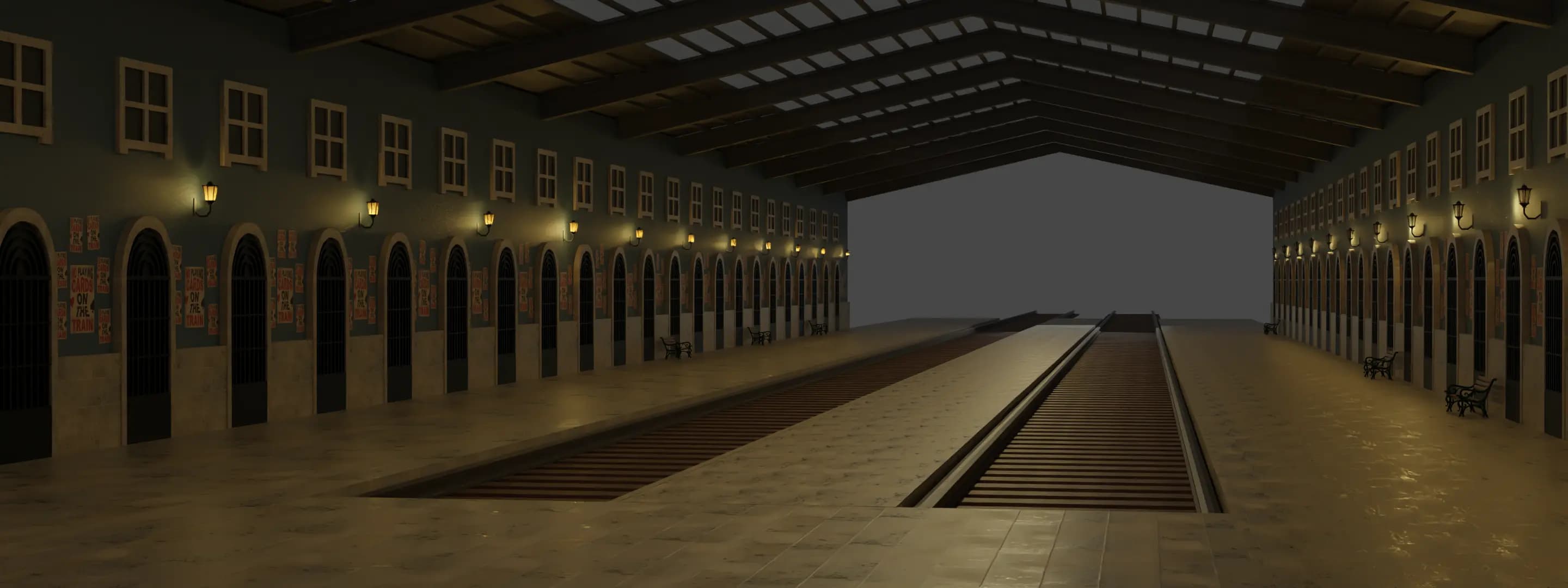
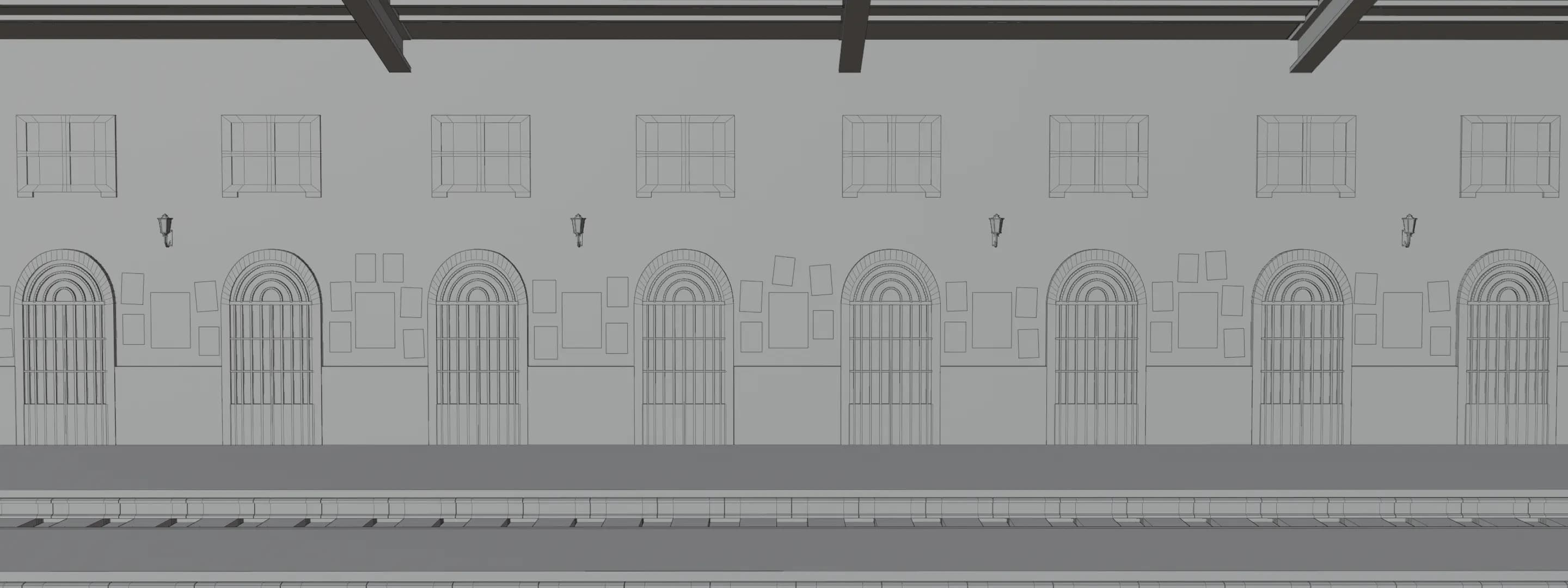
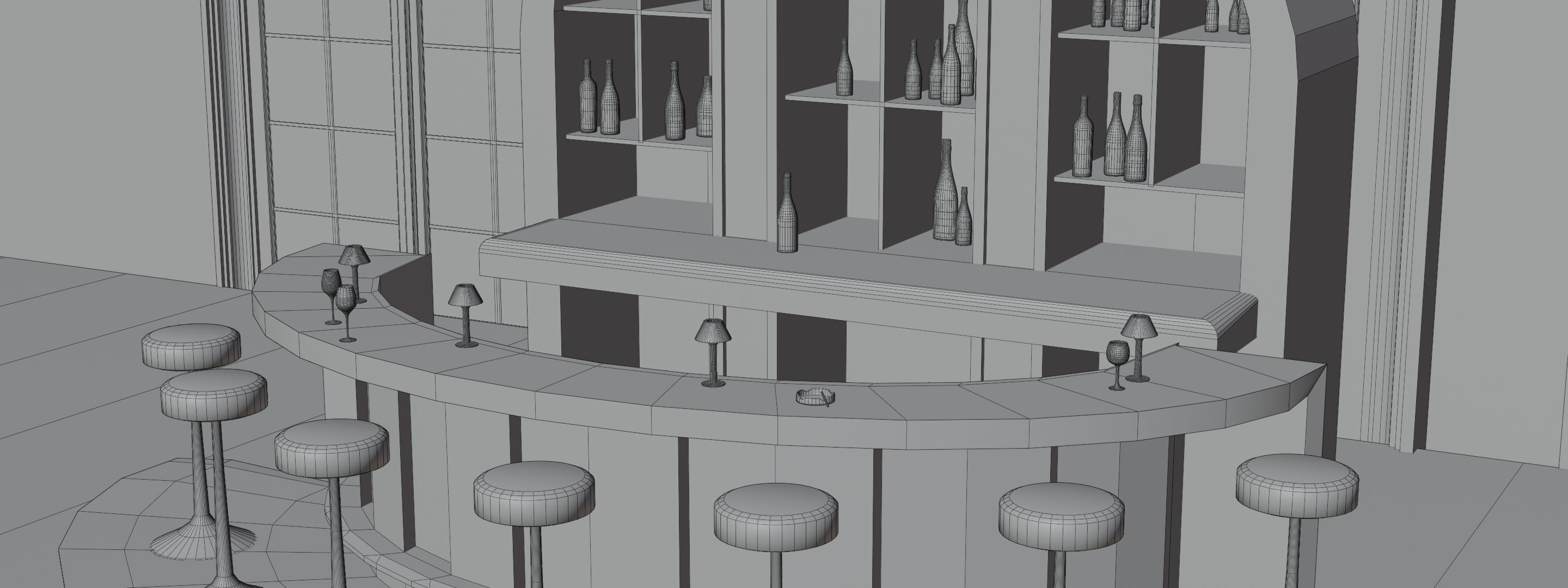
The film unfolds across three main environments, each carefully designed to reflect the historical
and emotional context of 1950s Lisbon. All sets were fully modeled in Blender, with close attention
paid to architectural detail and atmosphere.
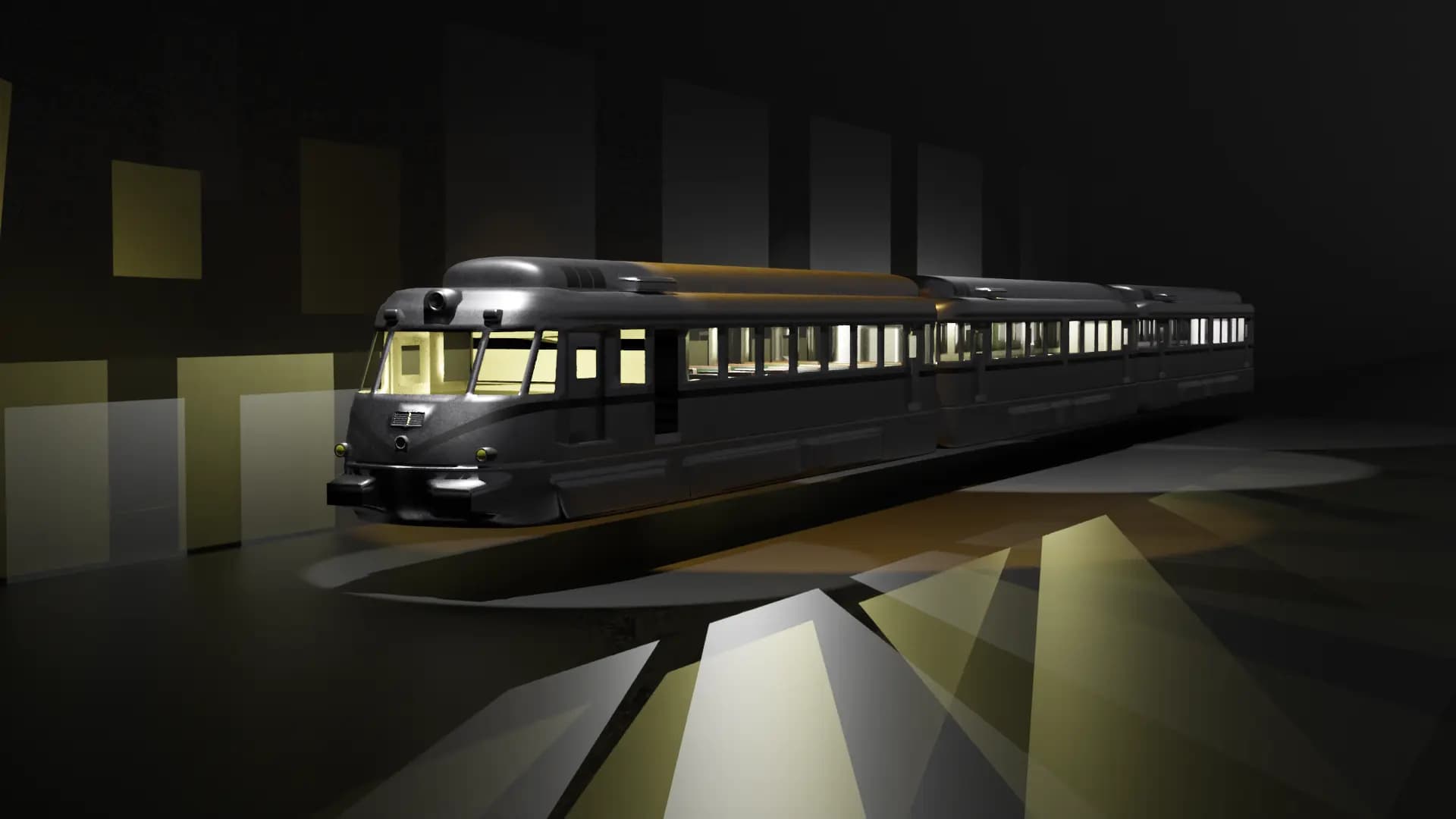
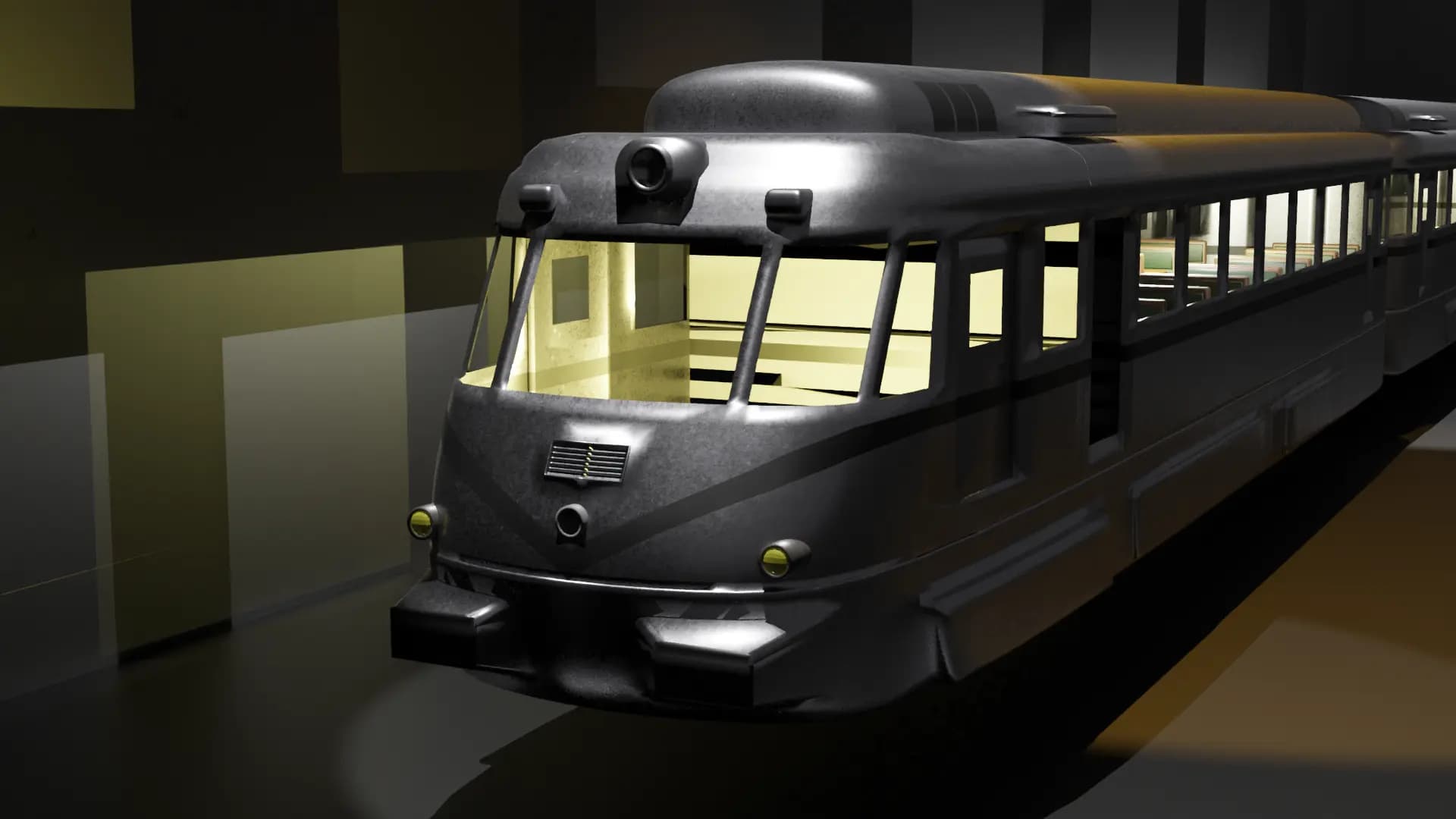
The primary setting is Santa Apolónia Train Station, recreated to reflect its mid-20th-century architecture.
This space marks the beginning of the journey, where the characters board the train known as the “Foguete.”
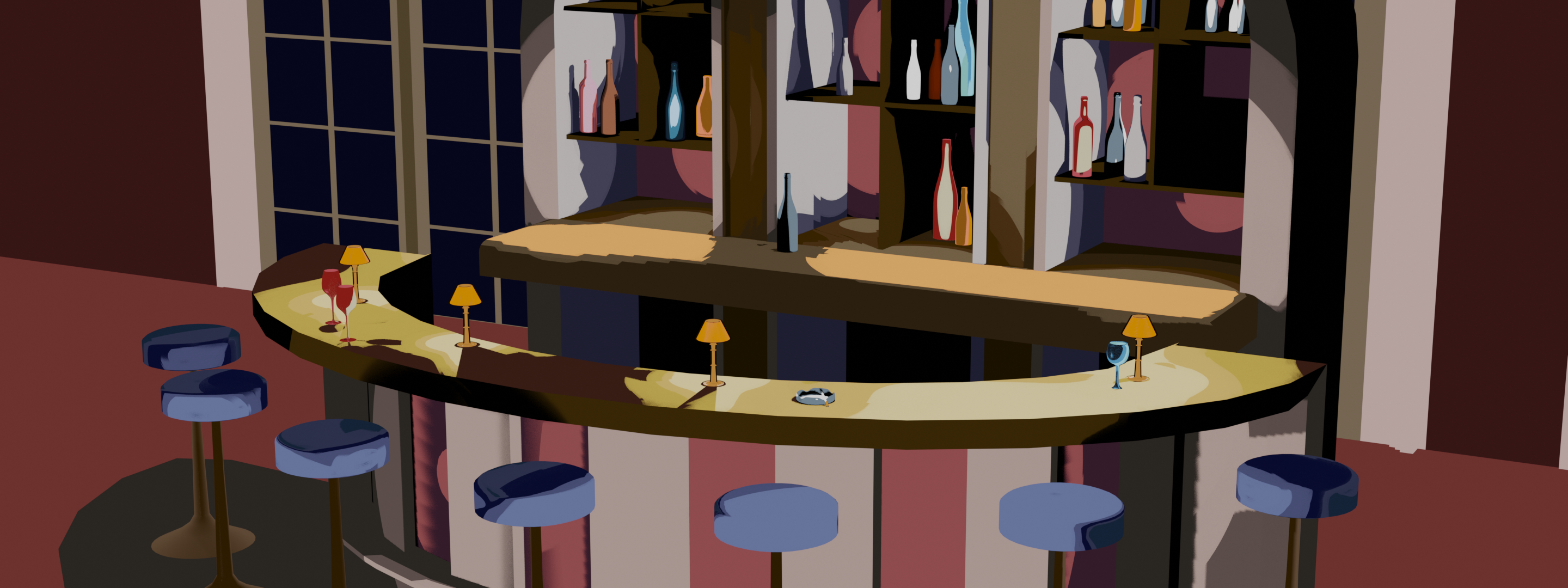
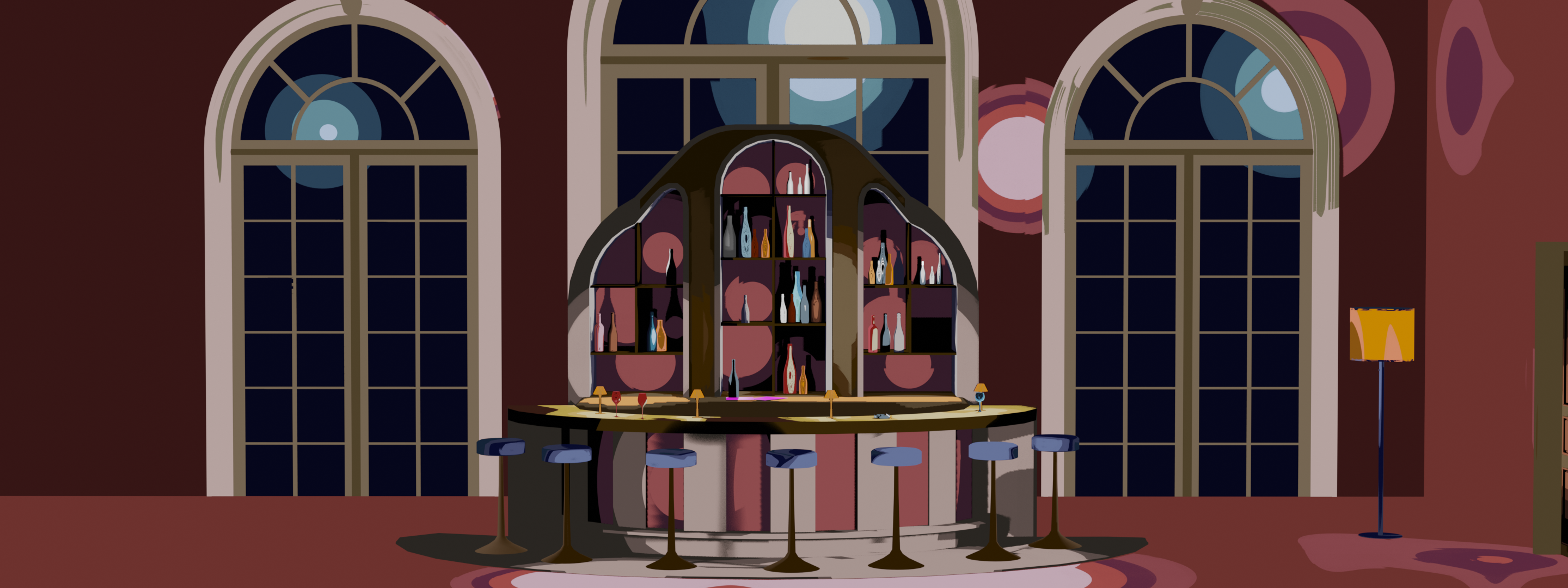
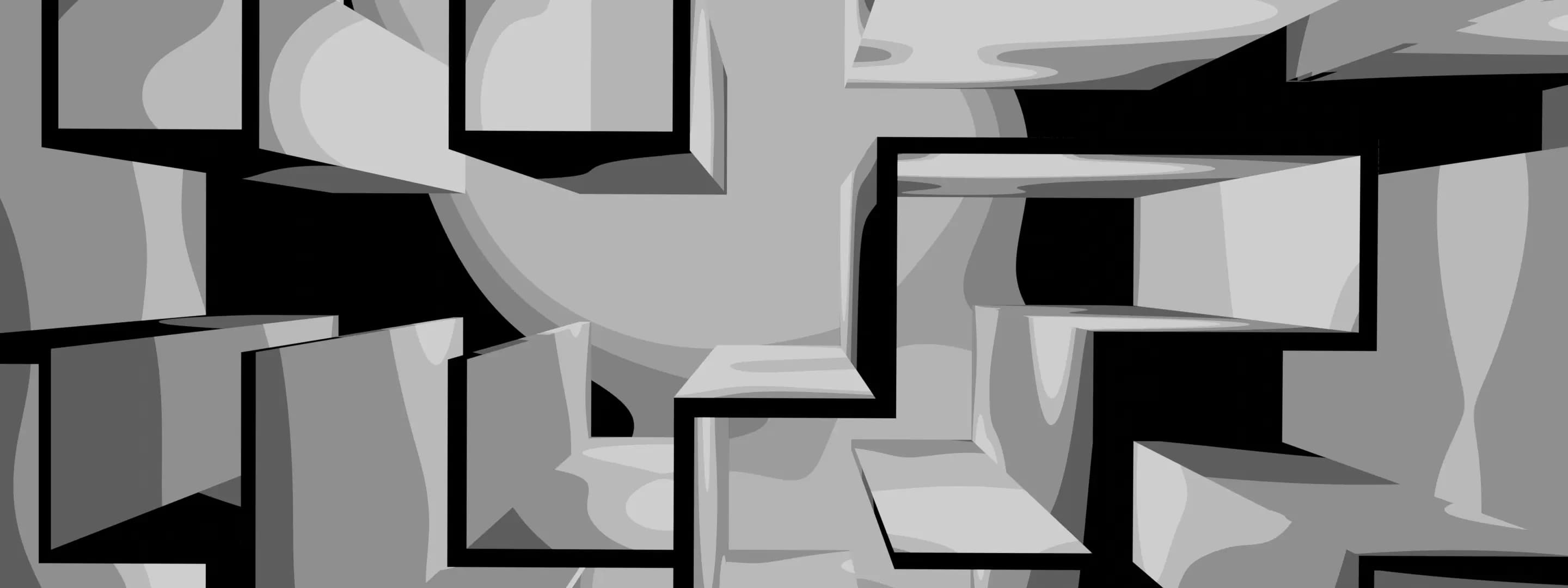
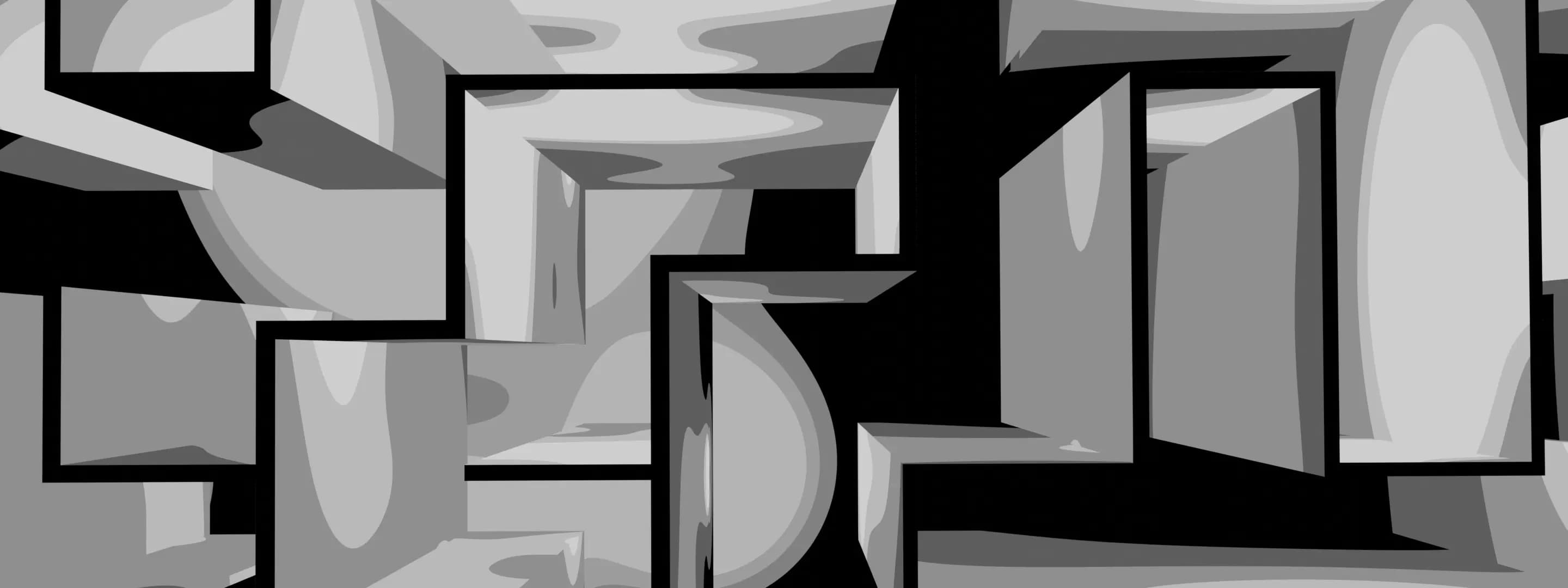
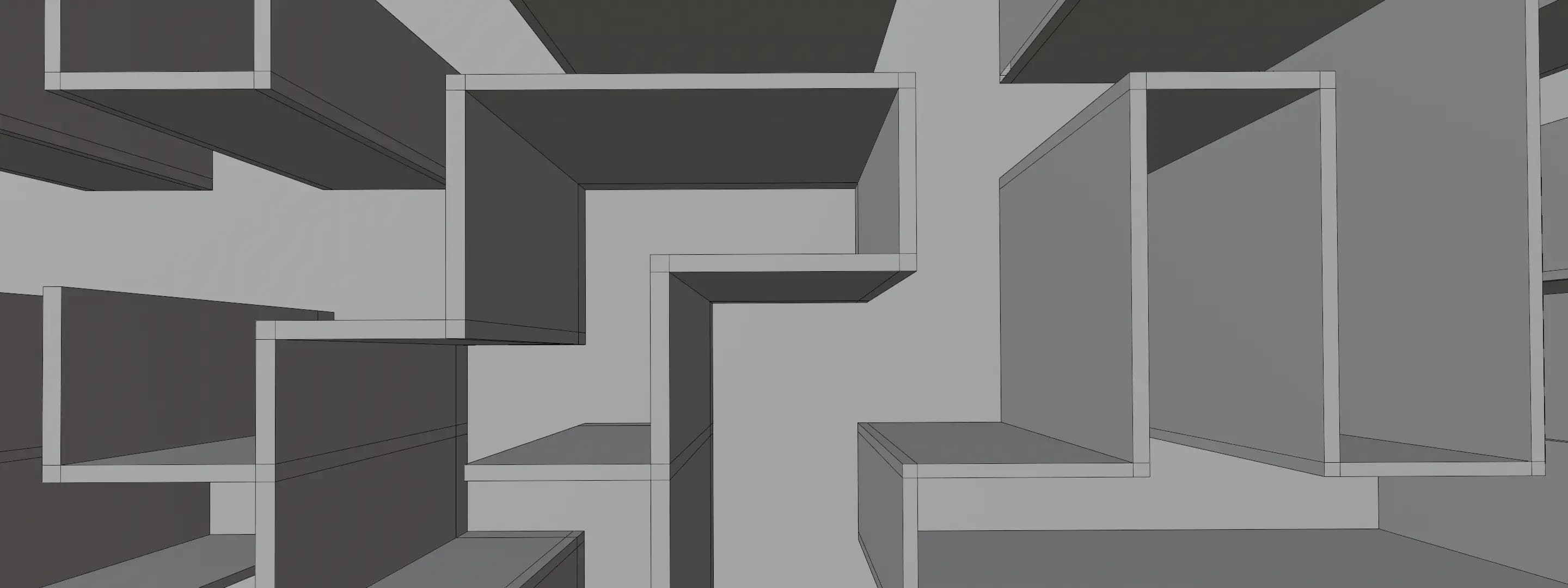
From there, the narrative transitions into more surreal environments, including a bar and a maze-like card
world, which visually contrast reality with fantasy. These spaces represent both escape and entrapment,
reinforcing the psychological tension of life under dictatorship.
The Characters
Figures in Motion
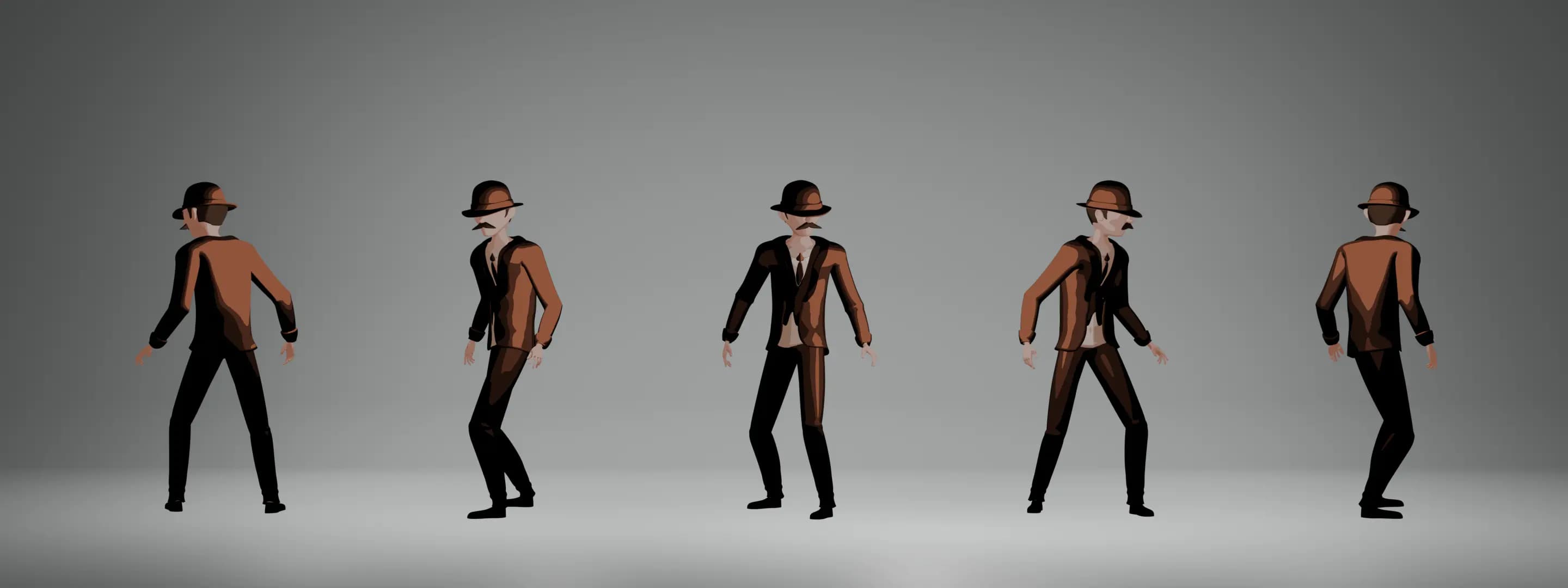
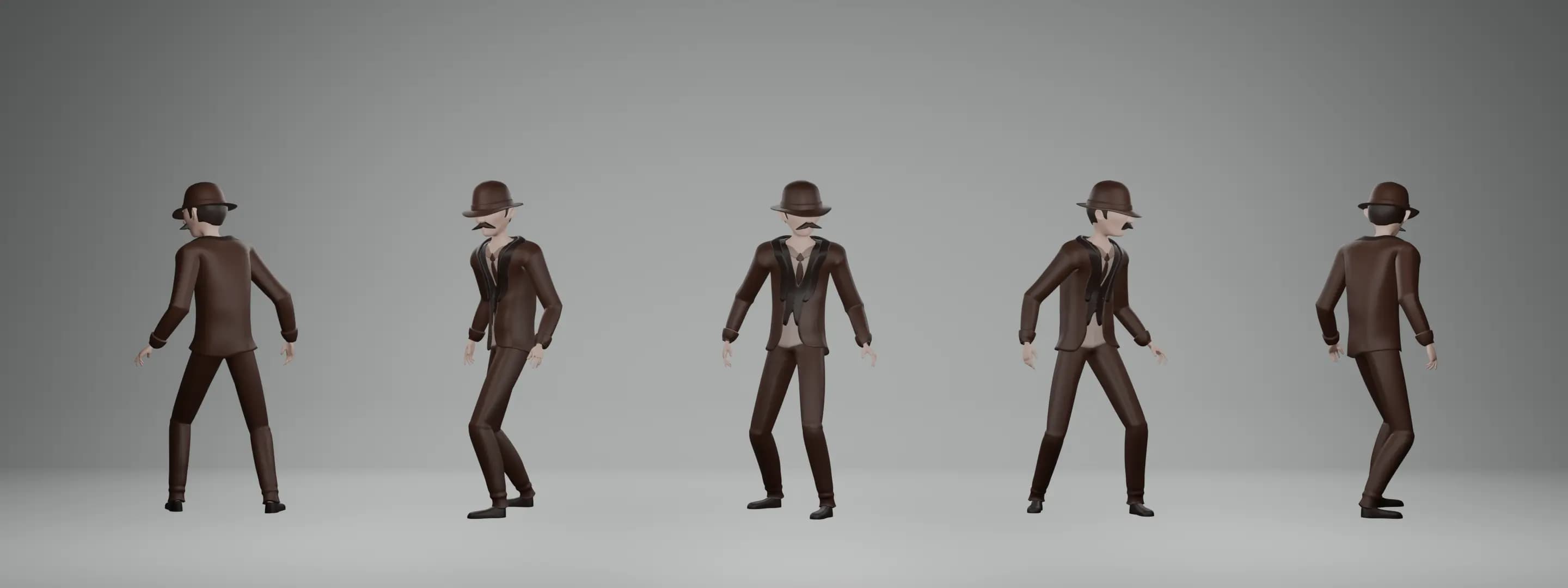
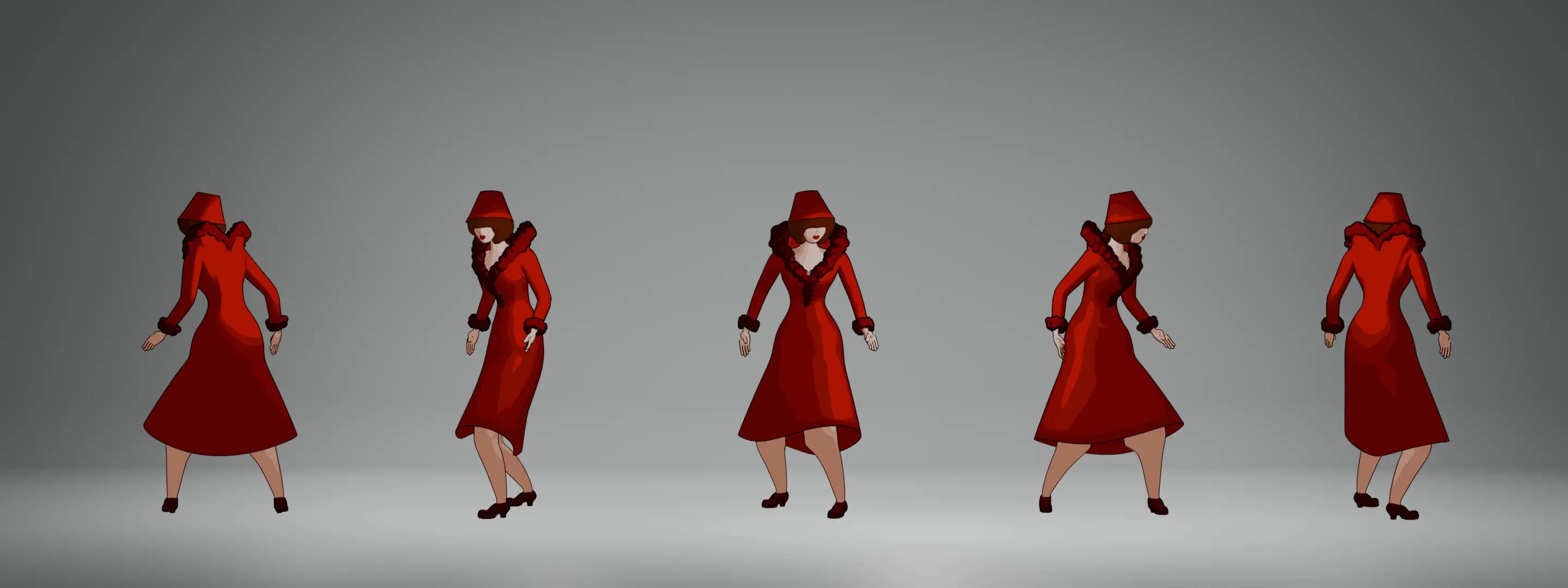
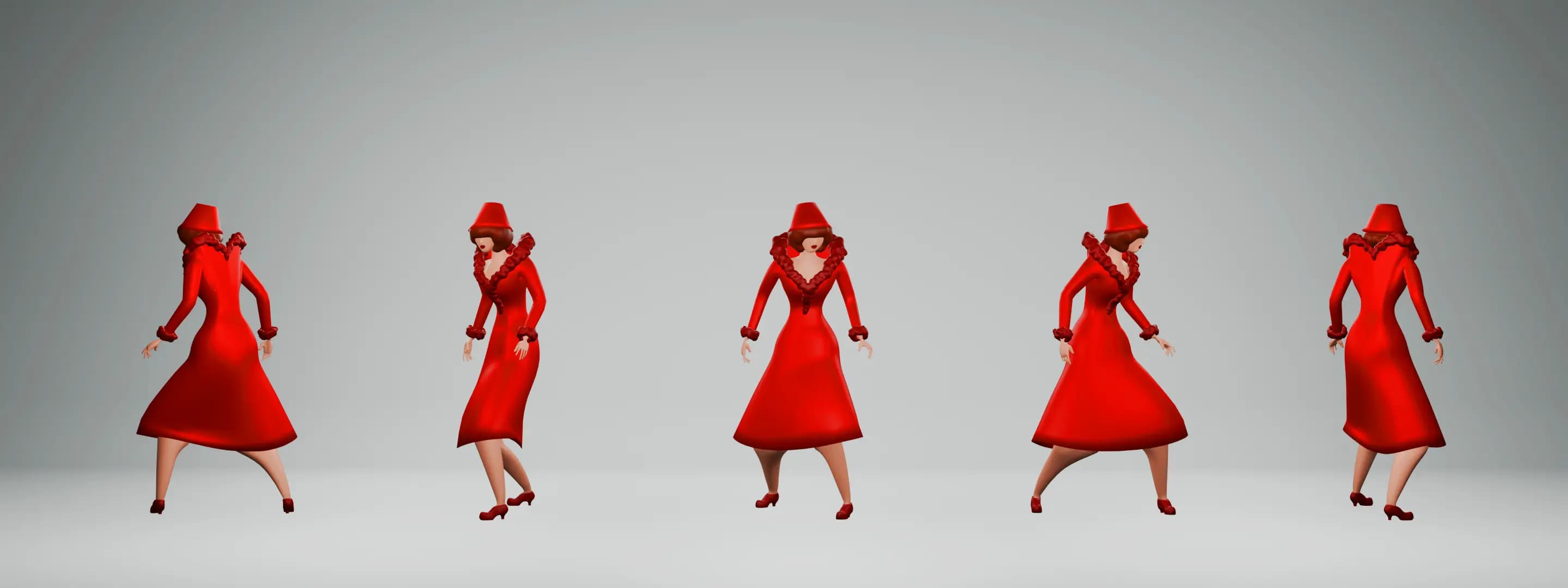
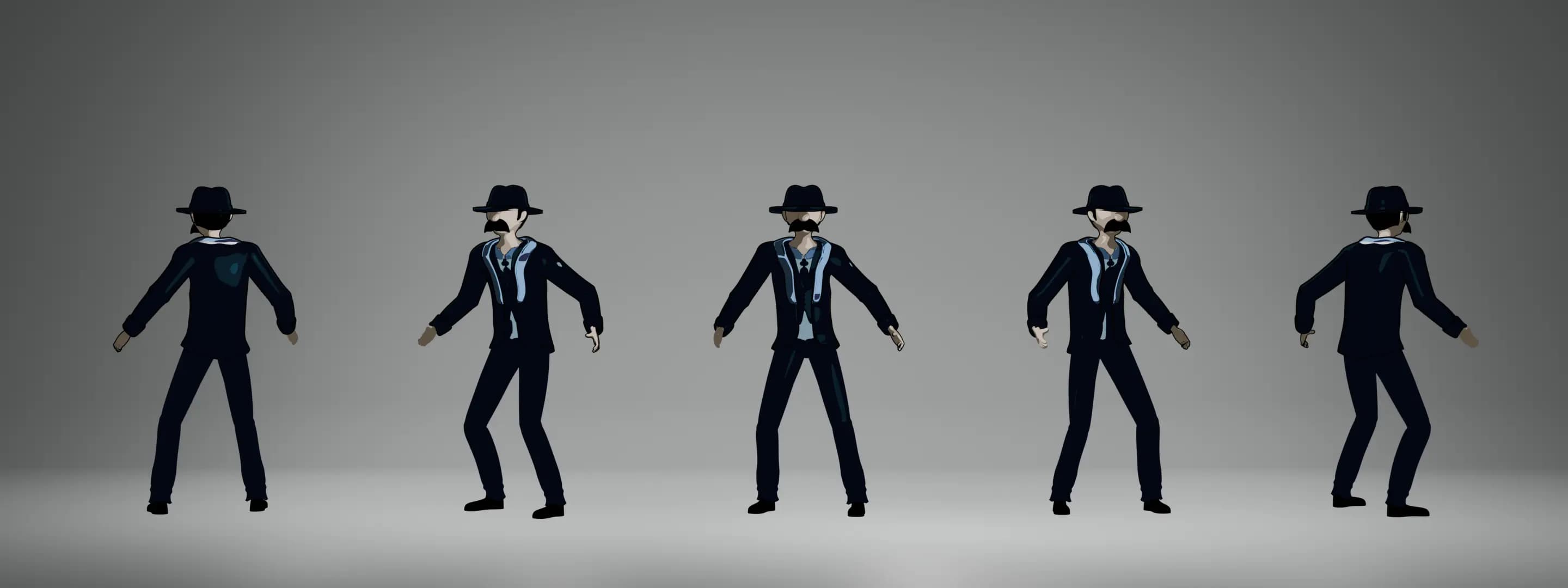
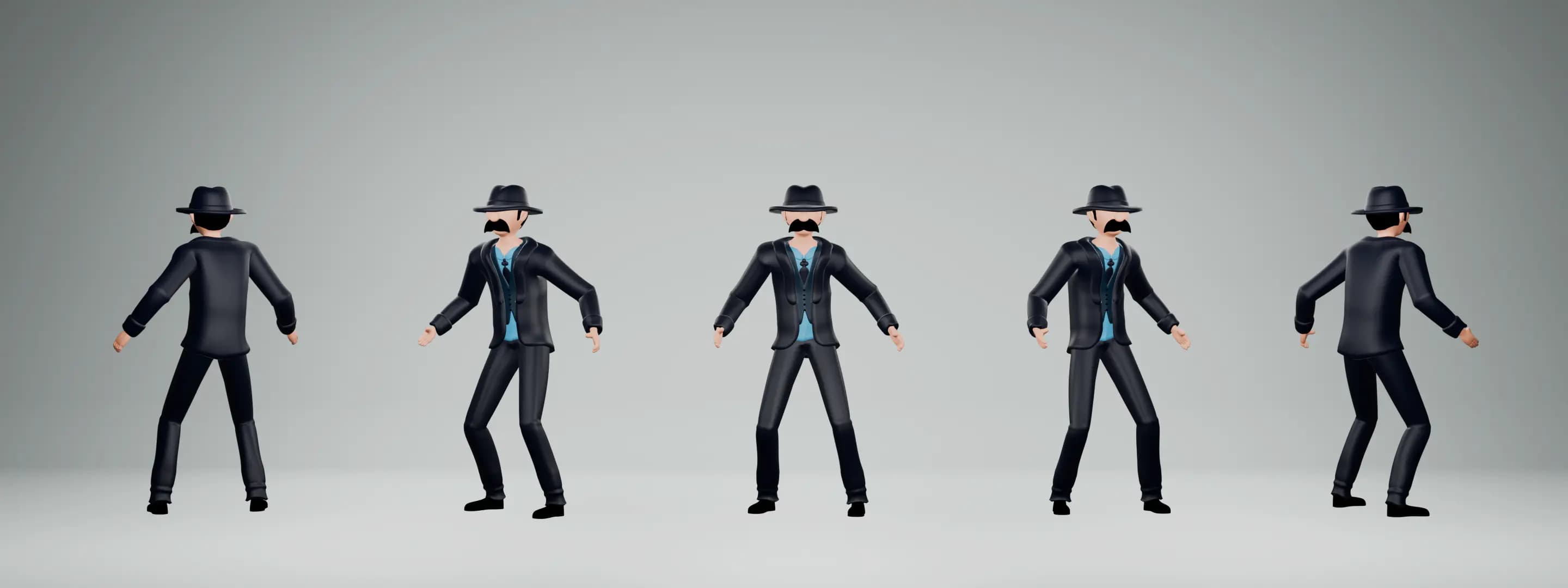
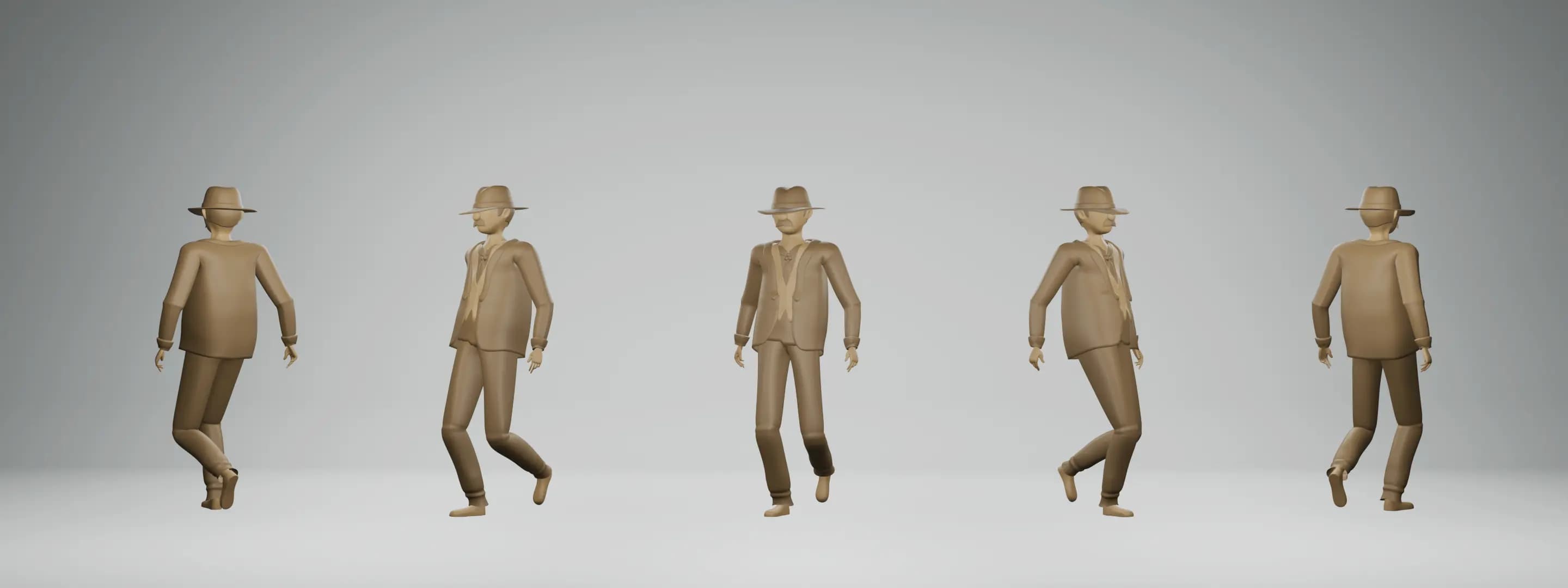
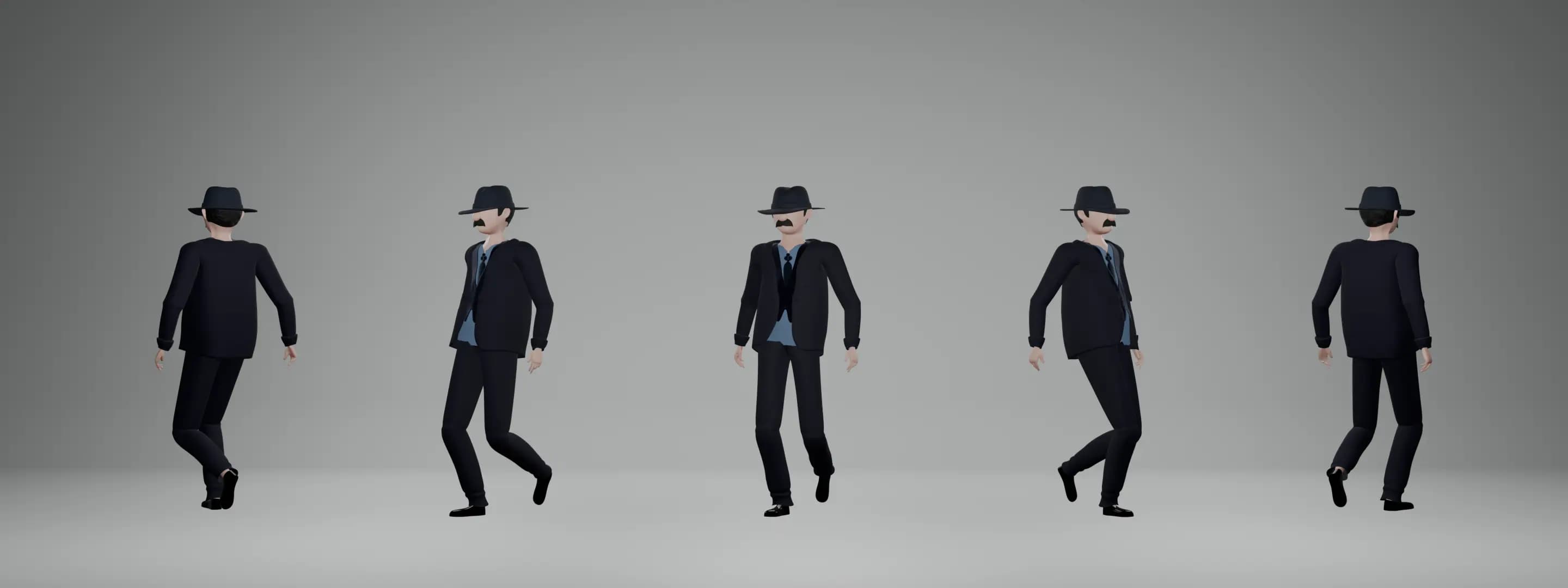
The animation features six faceless characters, designed to represent collective identities rather
than individuals. The absence of facial features allows the audience to project themselves onto
the figures, emphasizing the universality of repression and resistance.
The King, Queen, and two men on the train symbolize the Portuguese people and their struggle for freedom.
In contrast, the Jack and the PIDE agents embody the authoritarian regime and its mechanisms of control.
Stylized shaders were applied to give the characters an animated card-like appearance, reinforcing the
central metaphor of the forbidden card game and the fragility of freedom.
The Merch
Promotional Materials
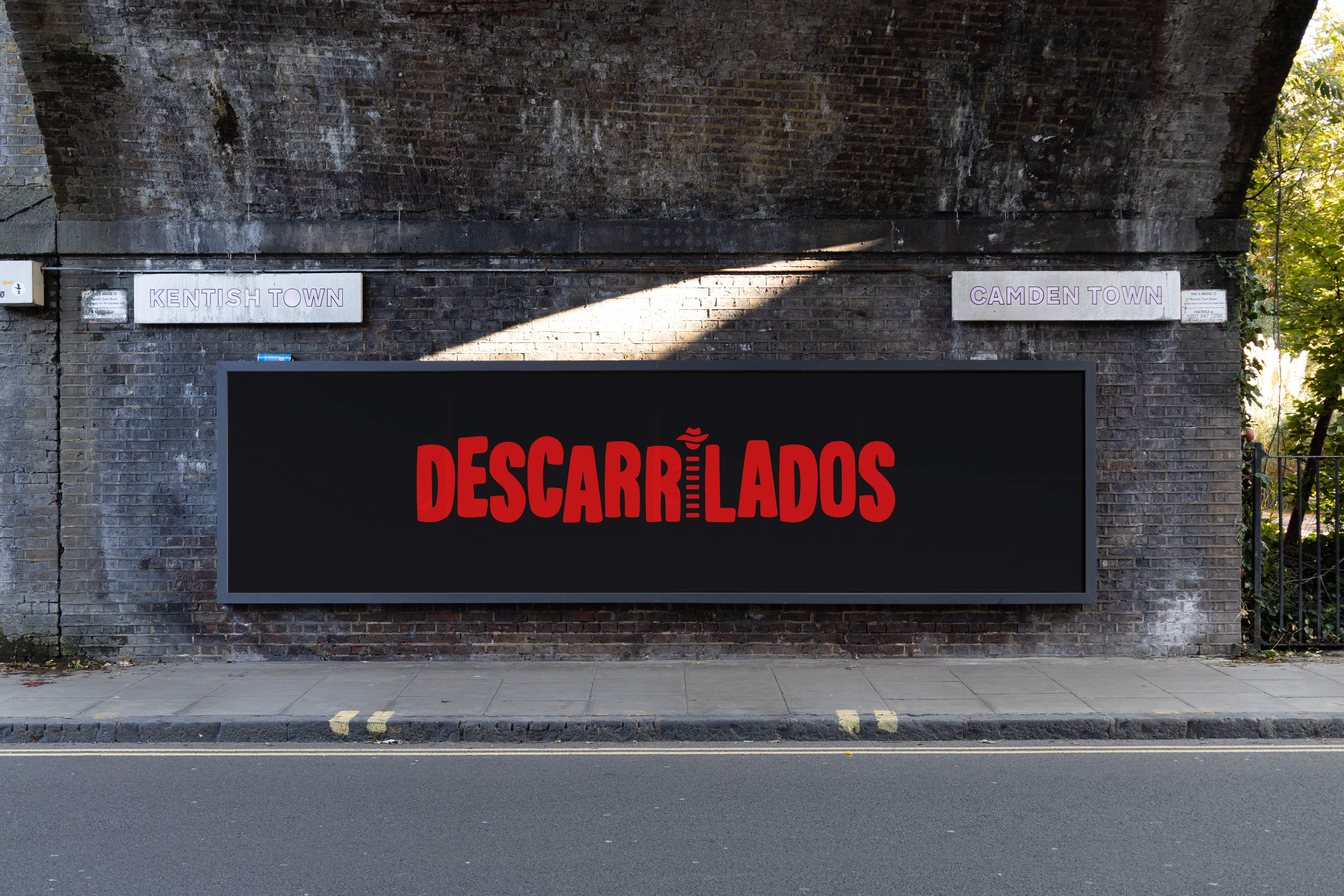
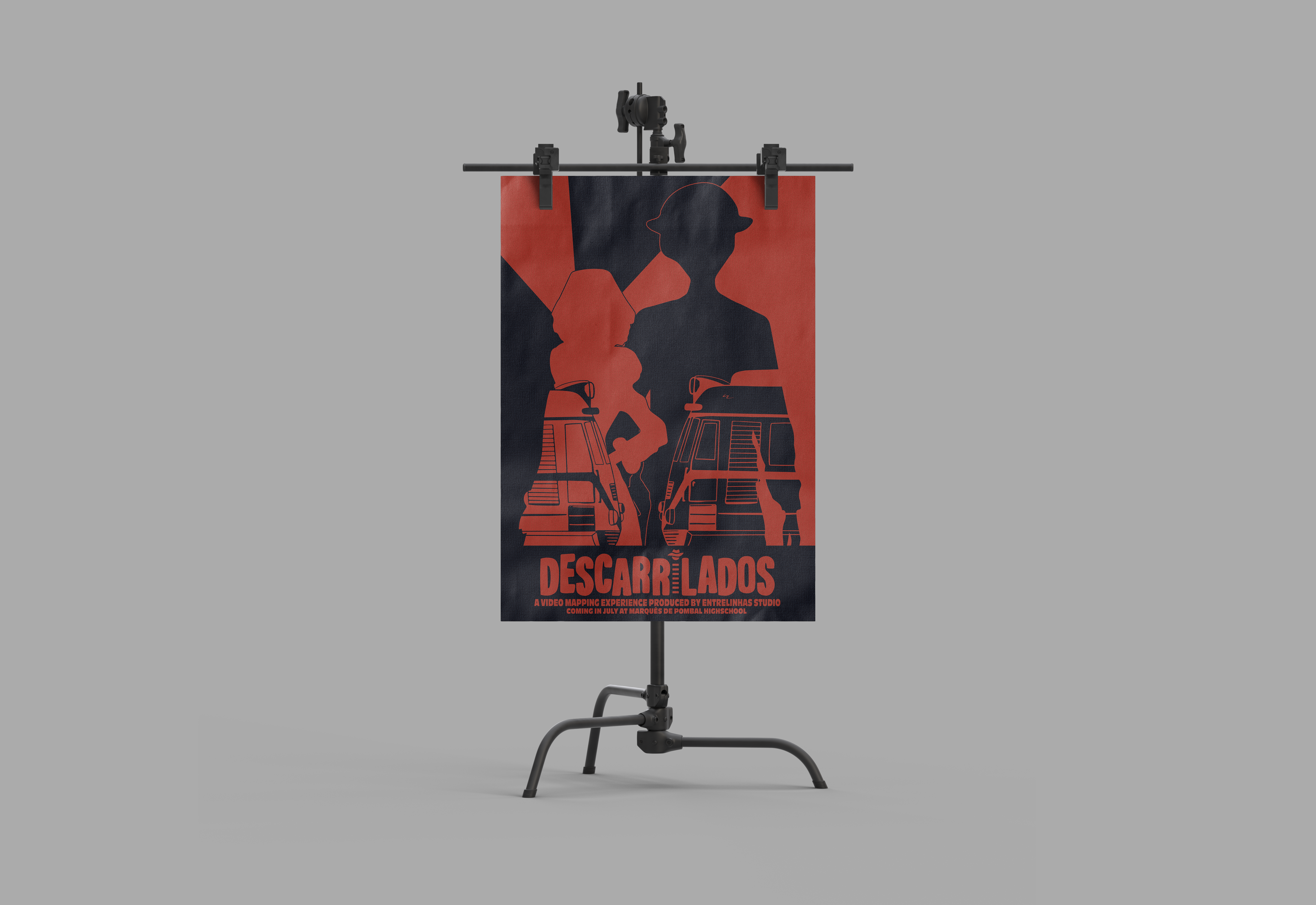
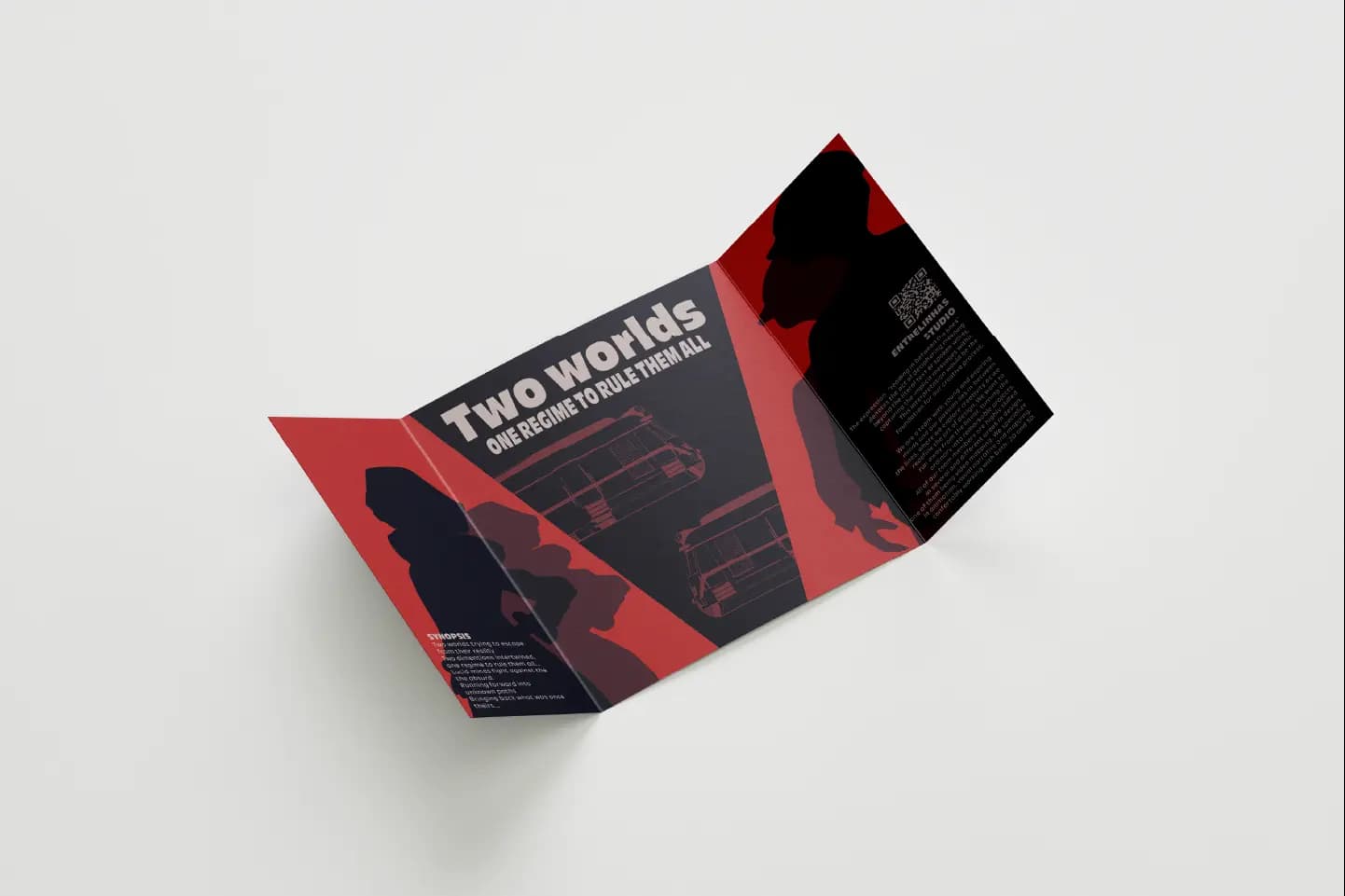
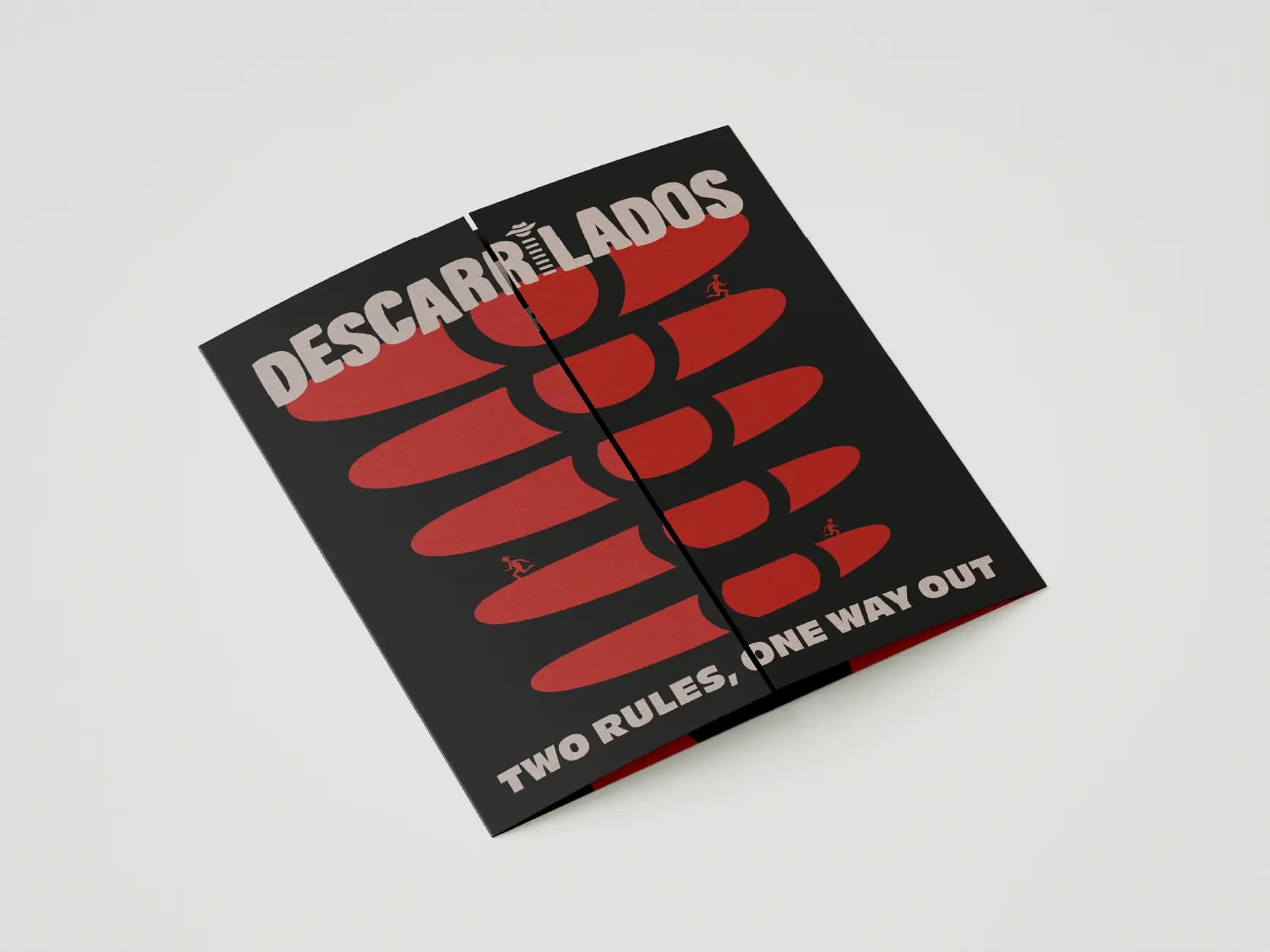
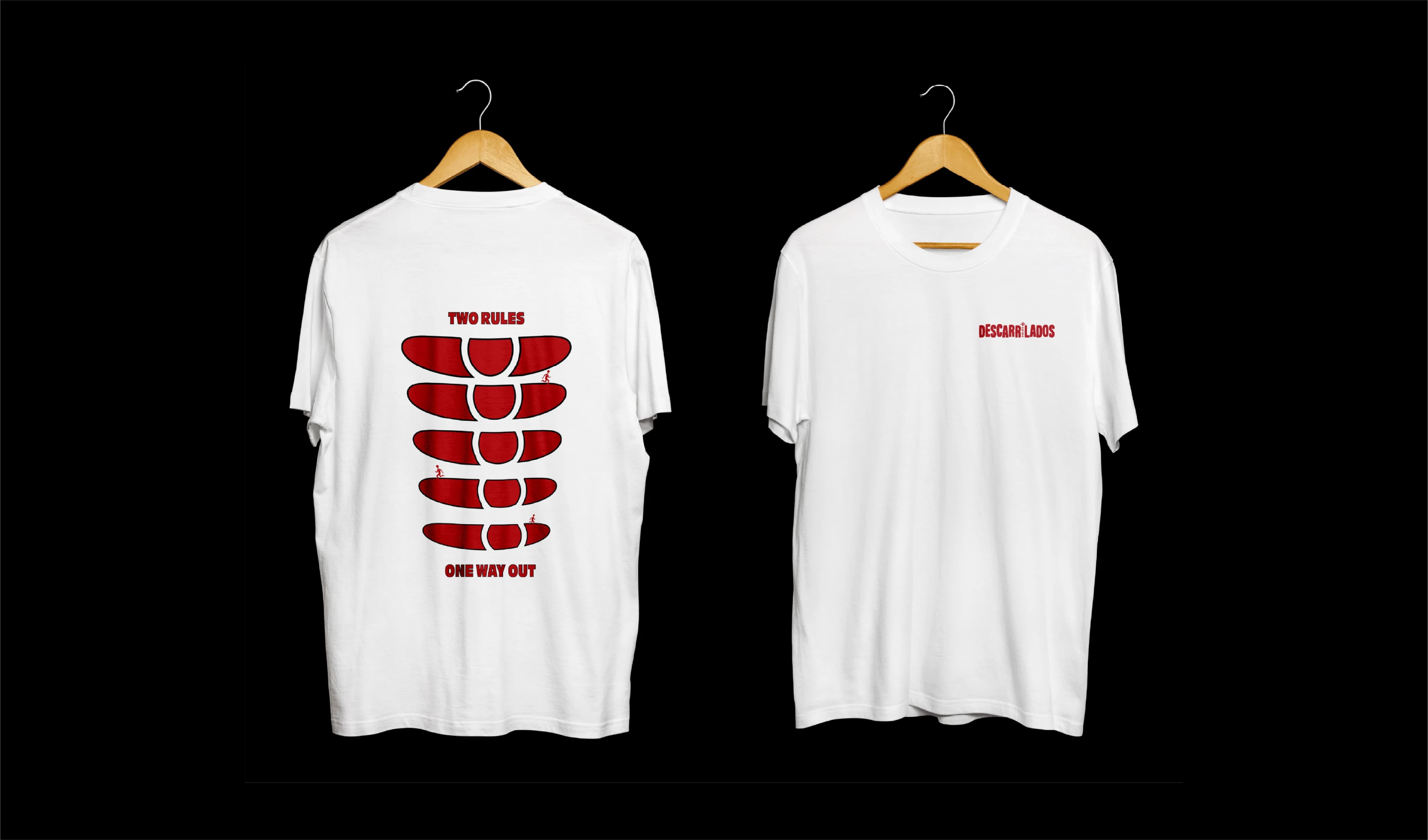
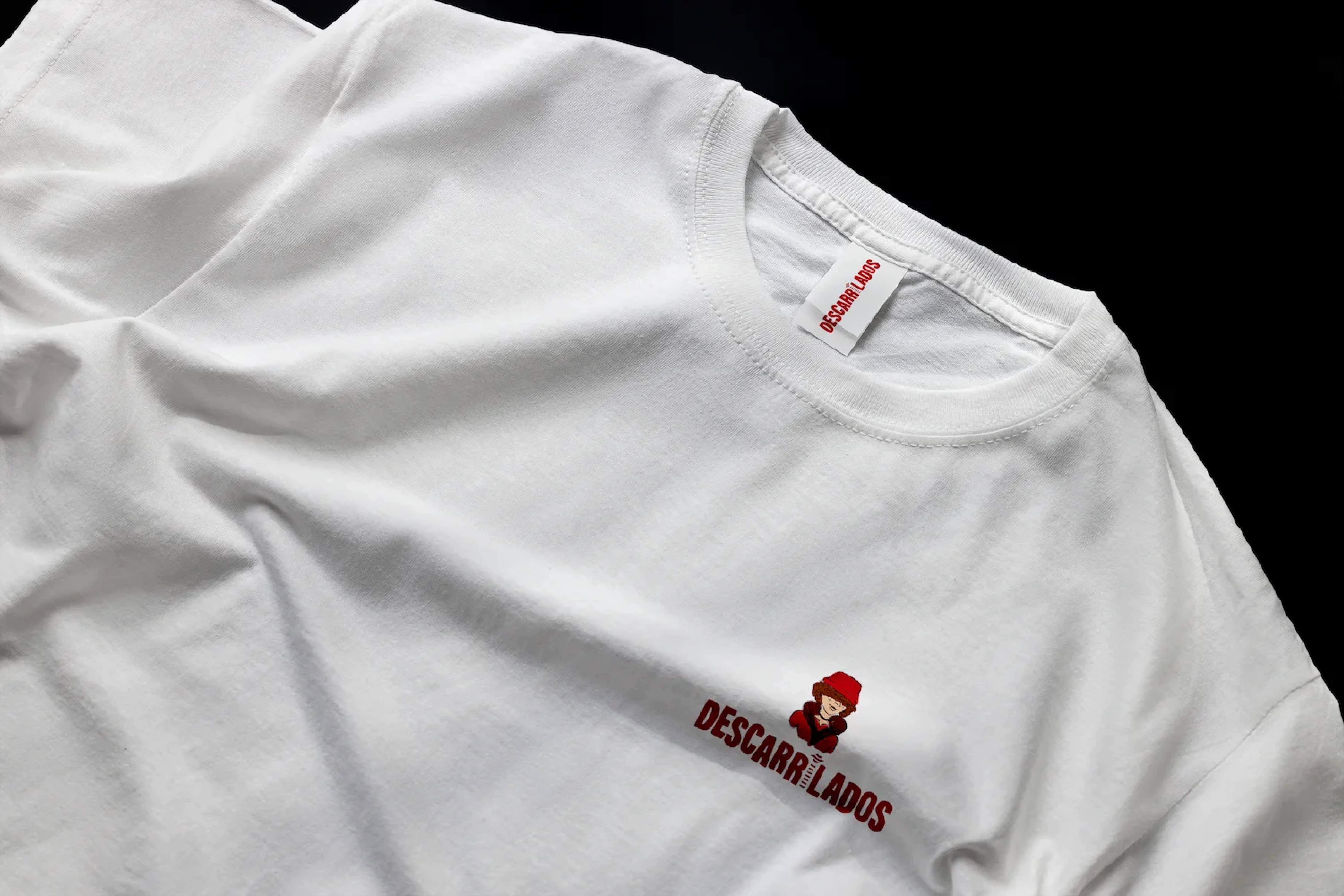
To promote the project, a set of graphic materials was developed, including an A3 poster and an A4 flyer.
The poster incorporates key elements from the animation, using a bold color palette of red and dark blue.
It features essential information such as the project title, exhibition location (Escola Secundária Marquês
de Pombal), the release date (July), and the producer (Entrelinhas). The graphic approach mirrors the
themes of tension, restriction, and resistance present in the film.
The Event
Promotional Materials
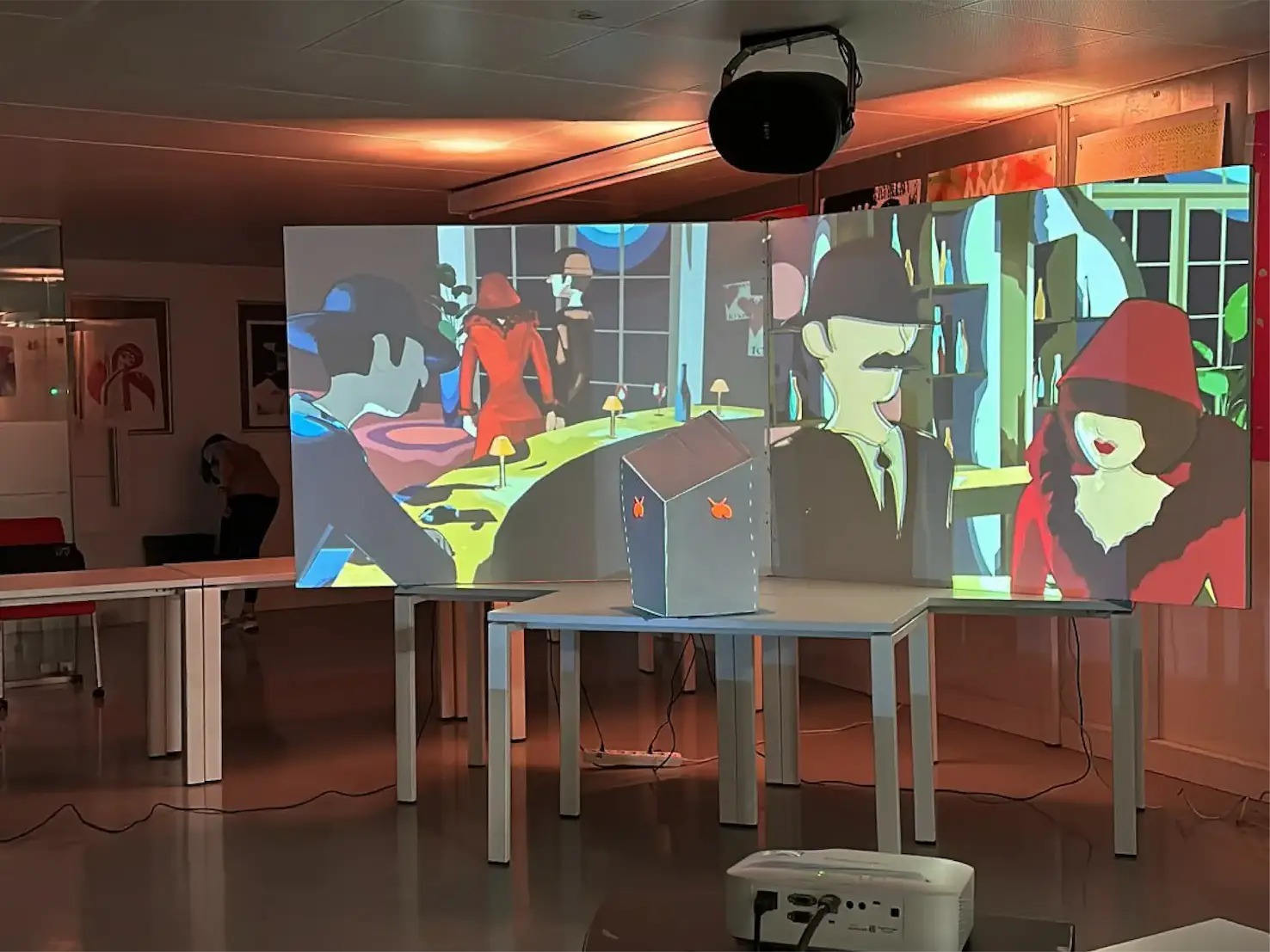
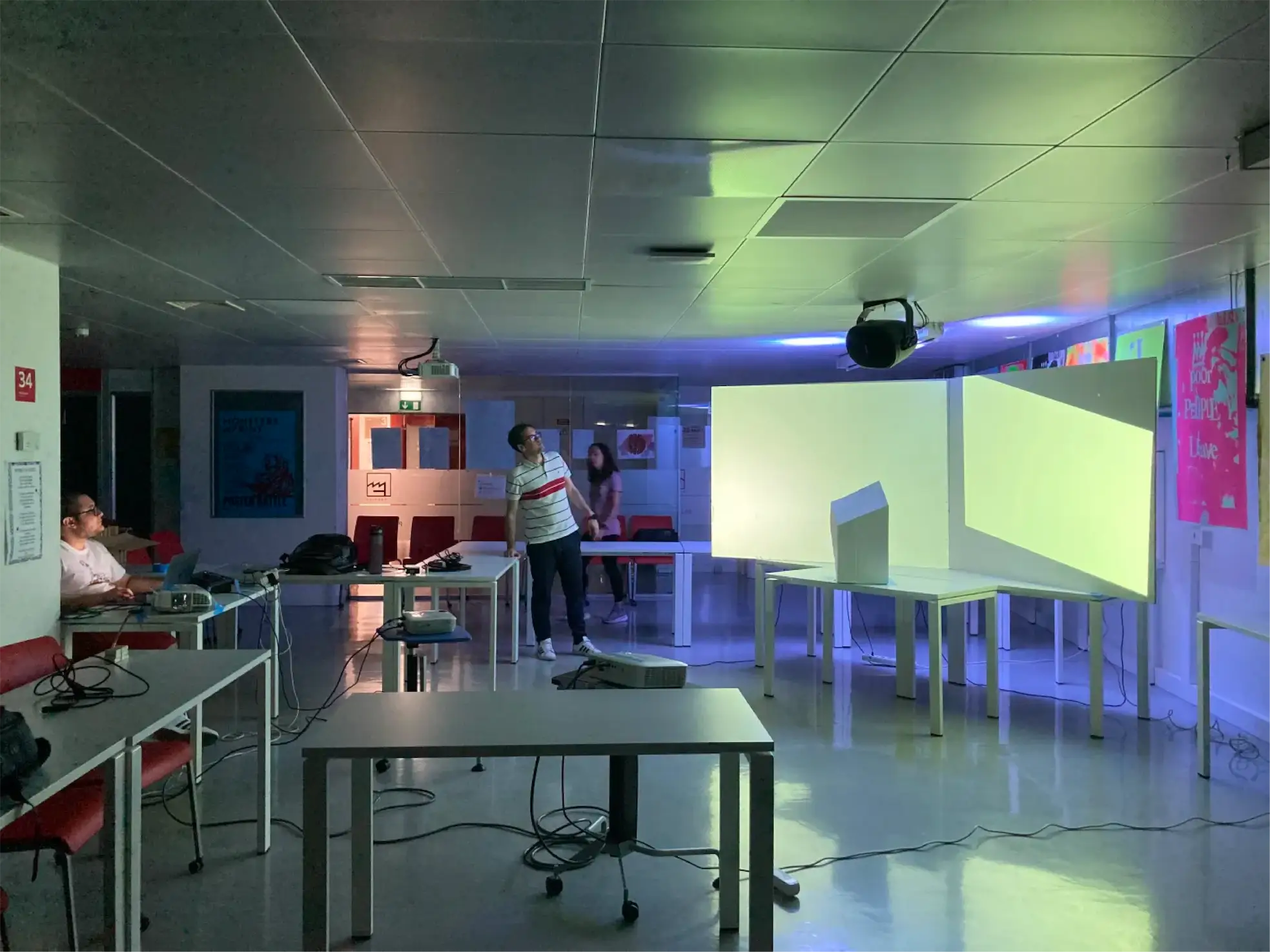
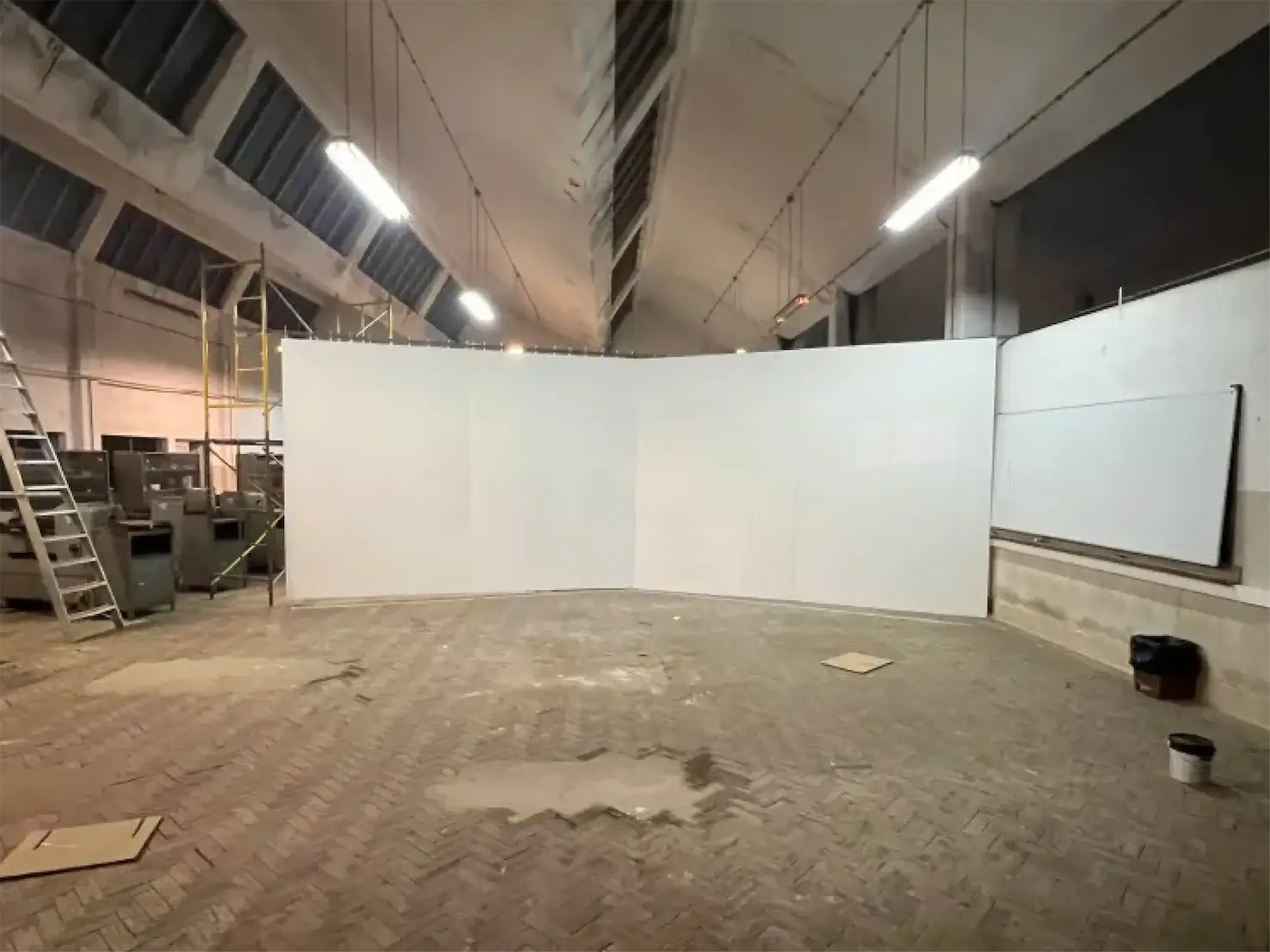
Descarrilados was presented at Escola Secundária Marquês de Pombal, where the project was experienced
as originally envisioned, after several small-scale tests. A large-scale screen allowed the animation
to be projected in full, creating a shared moment with invited guests and marking the anniversary of
25 de Abril.
The event also provided an opportunity to present the project's visual identity through printed materials,
including flyers and the poster. A group photograph captures the team behind the project, marking the
conclusion of the event and reflecting the collaborative process that brought Descarrilados to life.