A Visual System for Navigation
Gare do Oriente is one of Portugal's busiest transport hubs and an architectural landmark by Santiago Calatrava. Despite its iconic design, the station presents major wayfinding challenges due to its scale, unclear signage, and lack of a cohesive visual identity, making navigation difficult for many users.
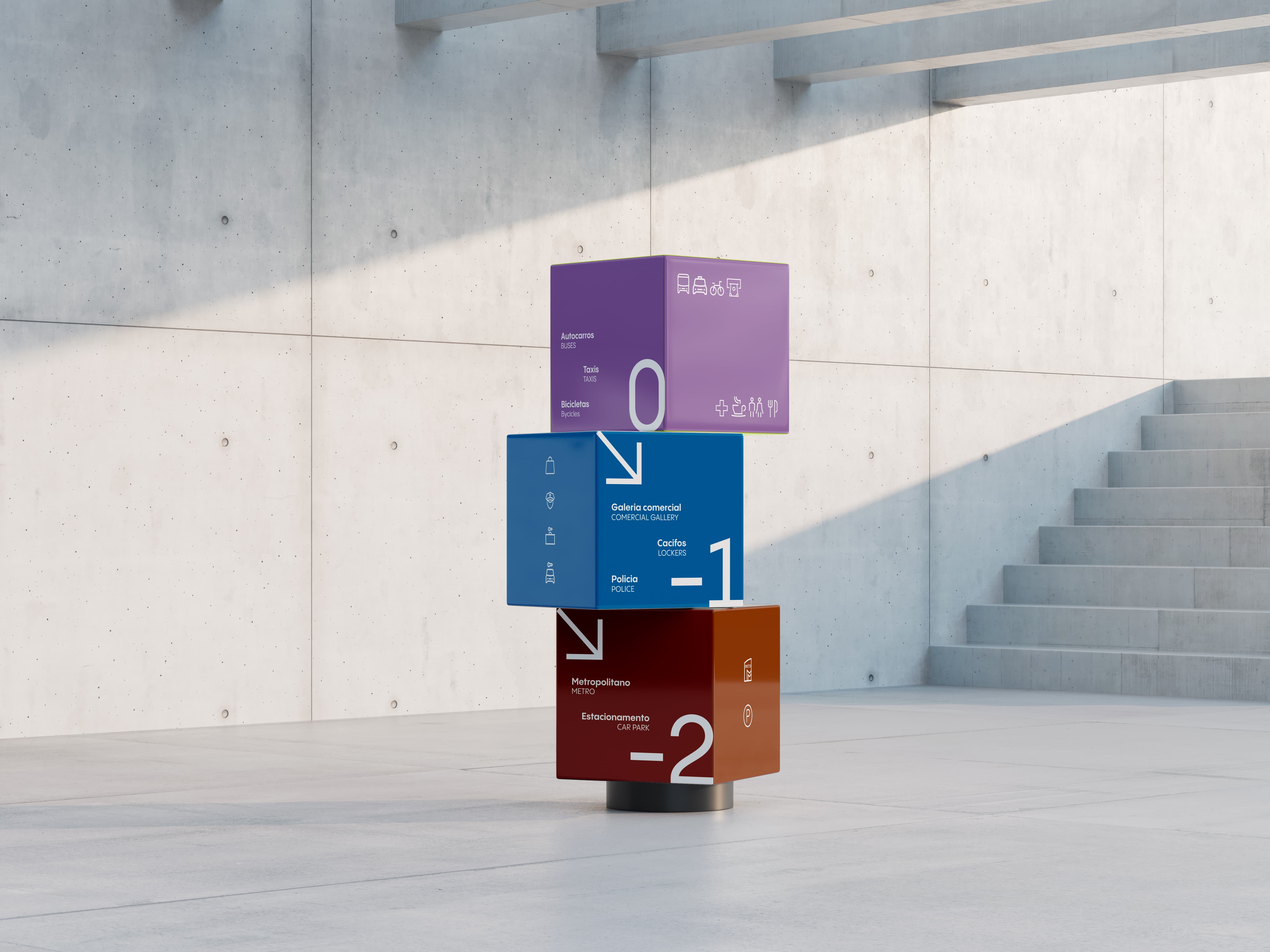
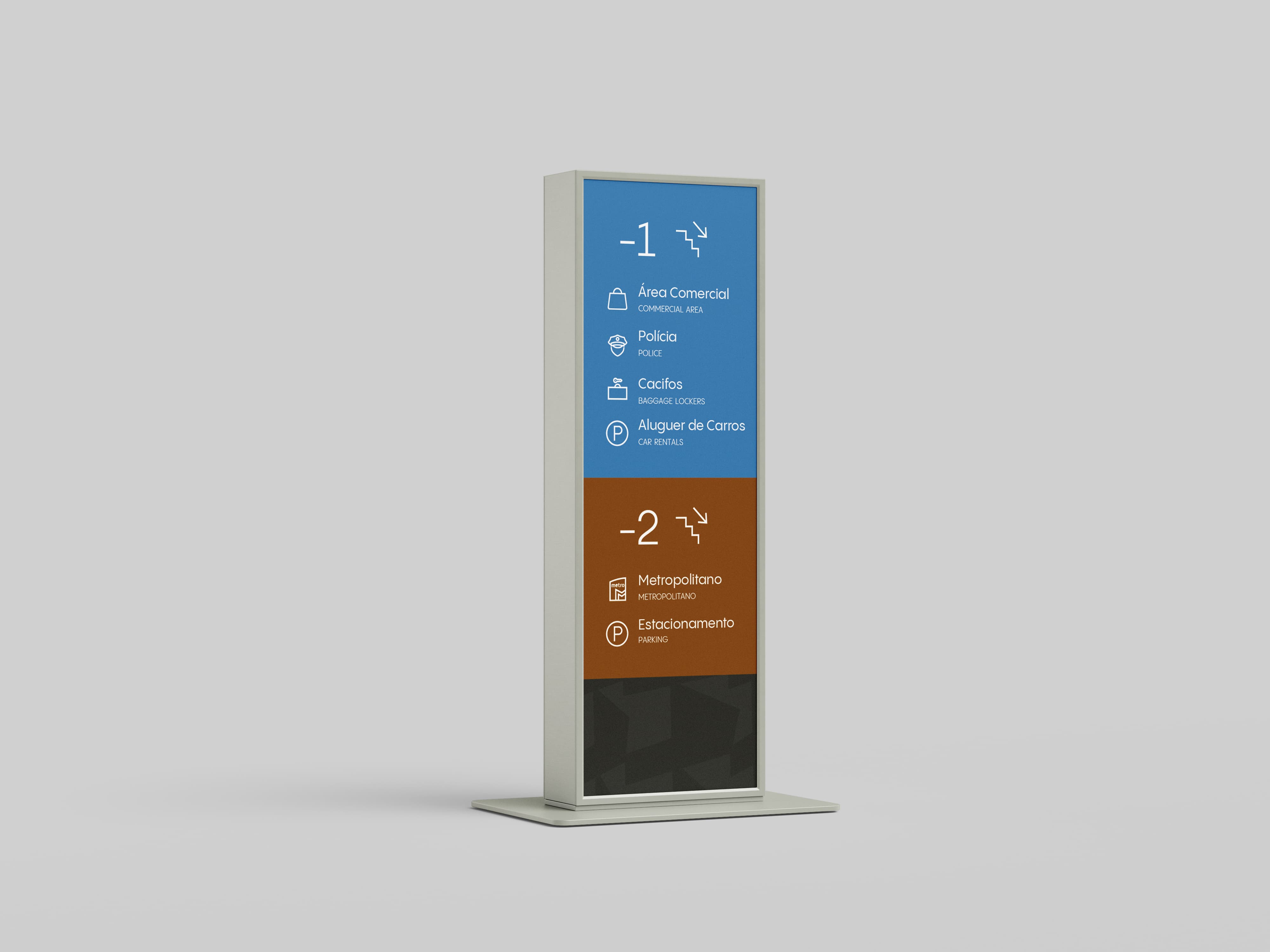
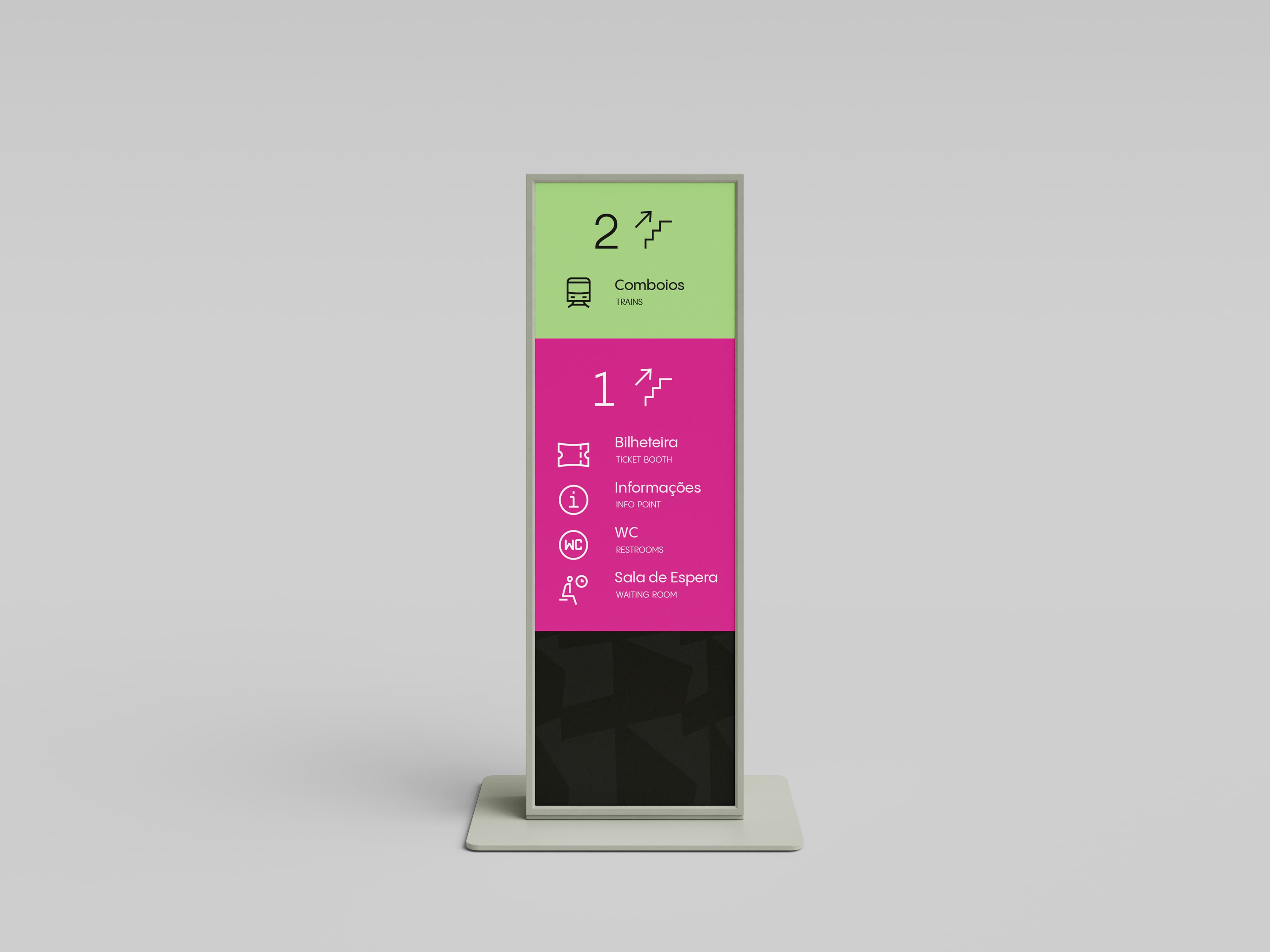
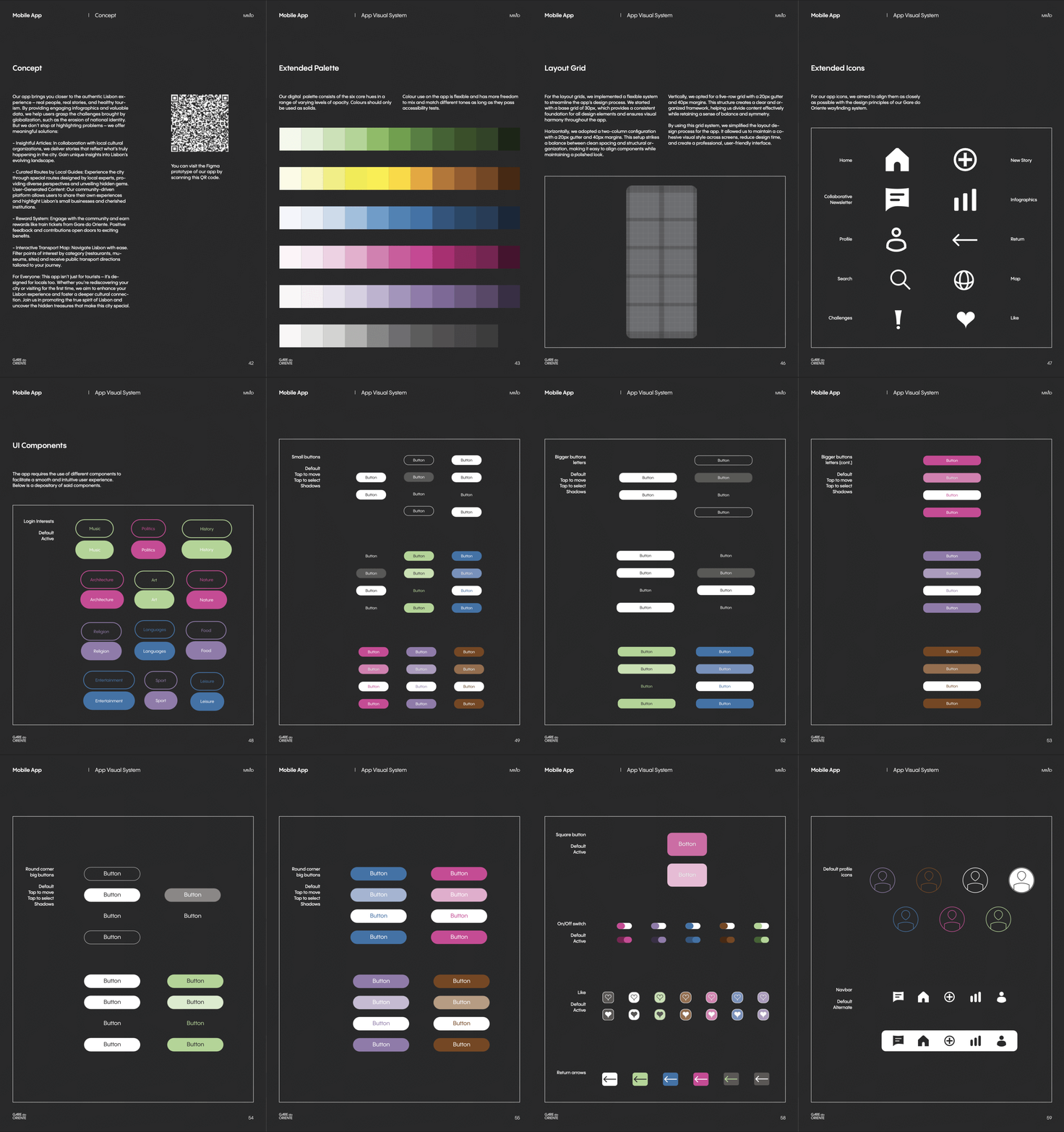
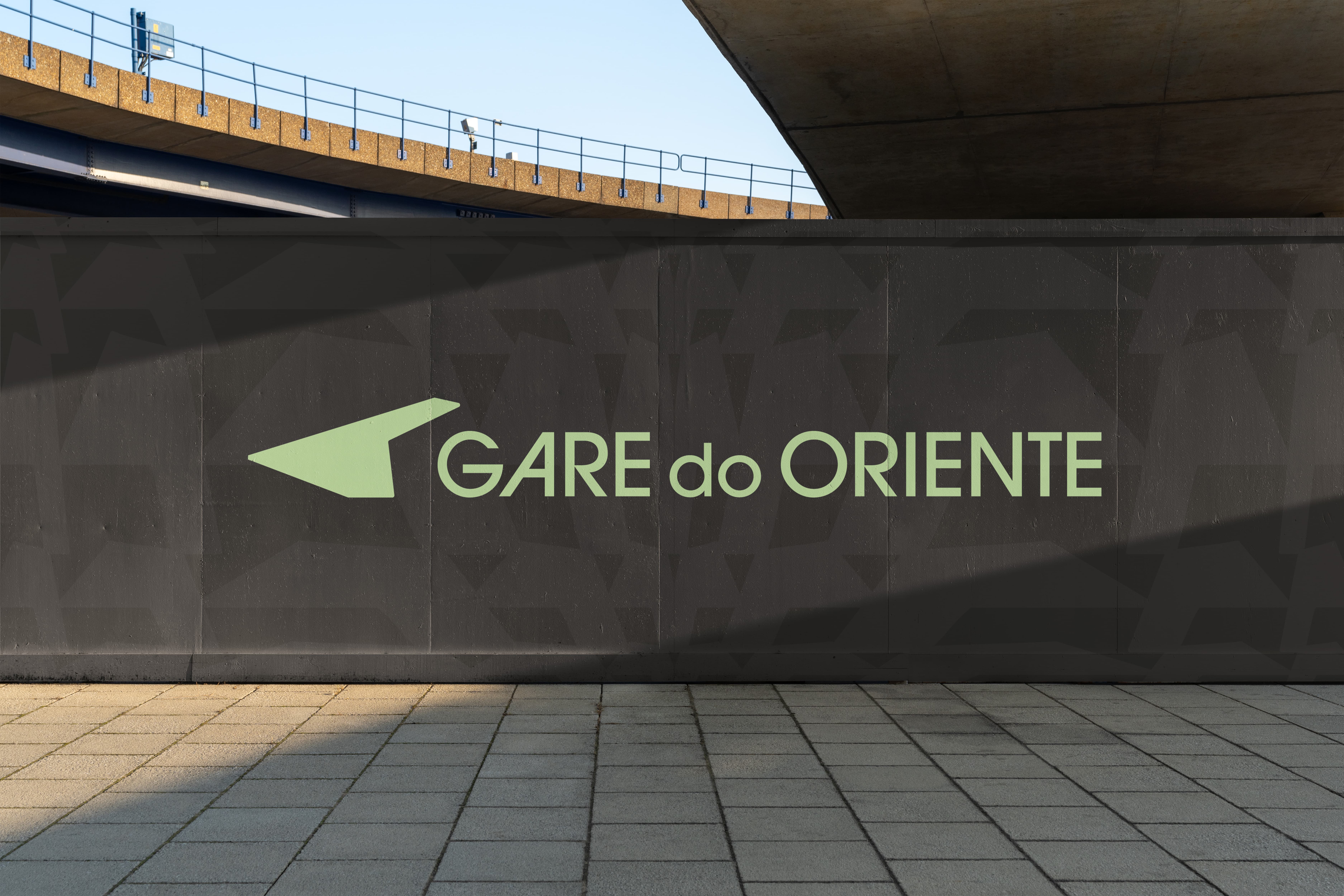
To address these issues, a flexible visual system was developed from Calatrava’s architectural forms, creating a modern and adaptable identity. A clear wordmark and a vibrant yet functional color palette ensure legibility across complex physical and digital environments, while the system is applied consistently across all solutions to create a coherent and intuitive navigation experience.
Navigating with Clarity
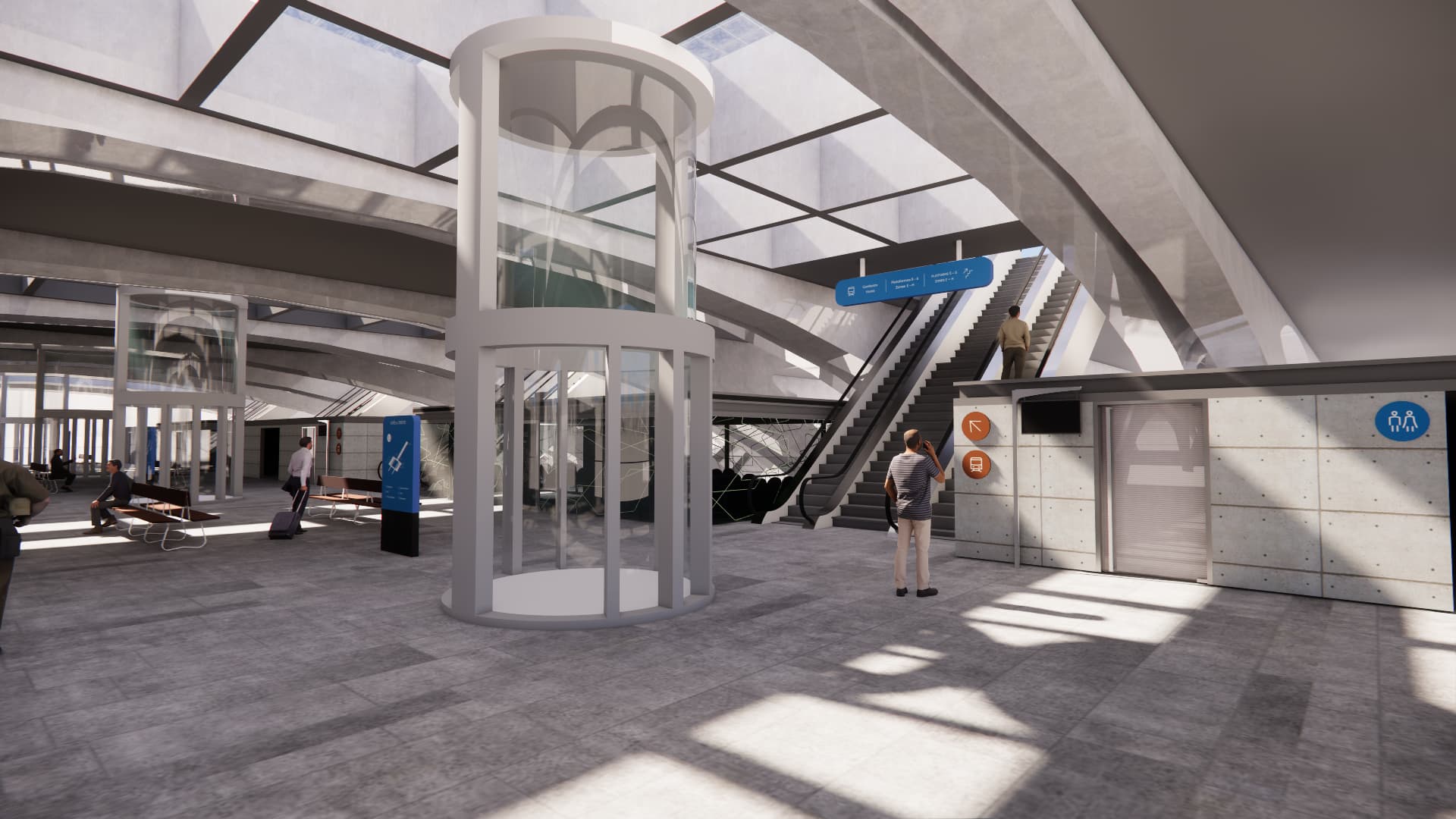
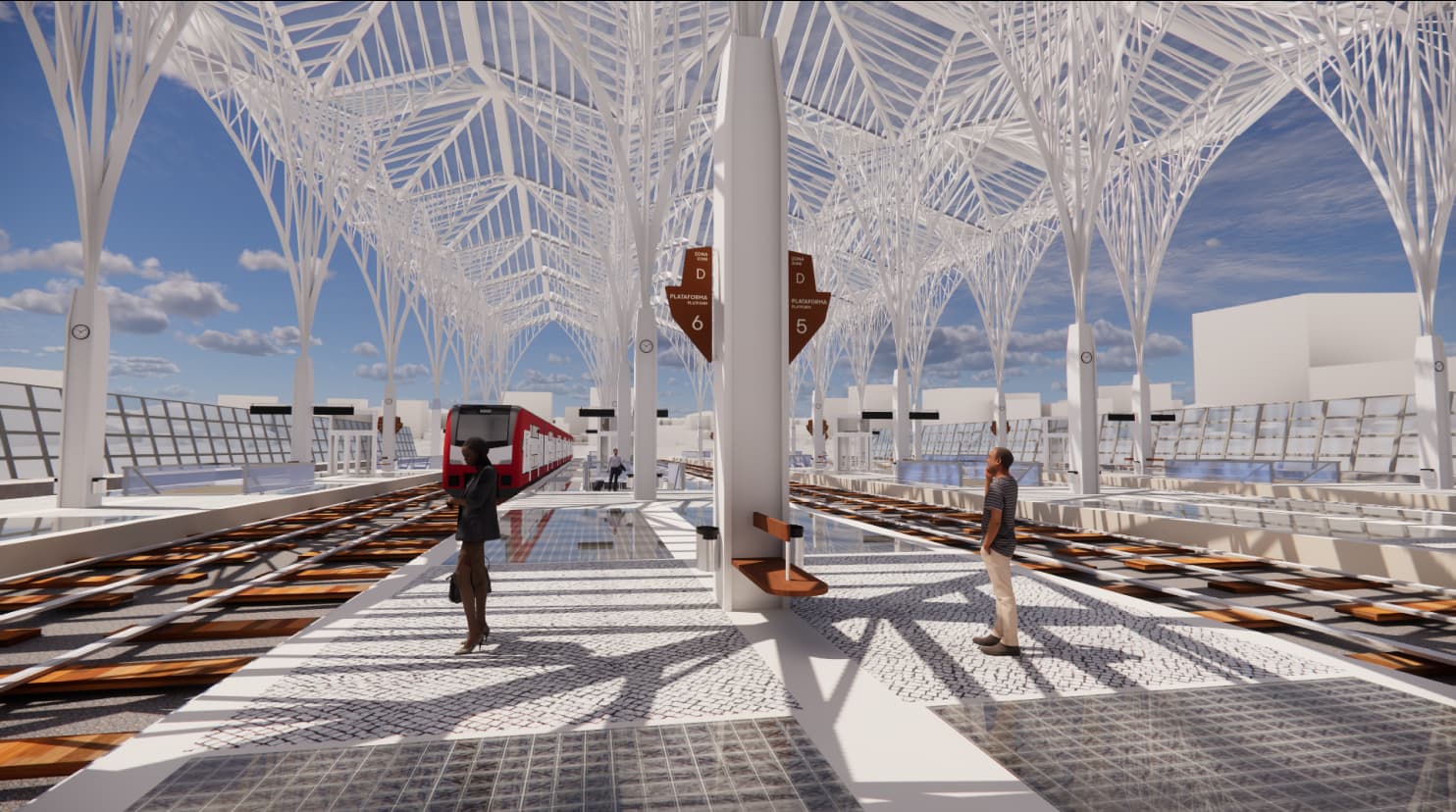
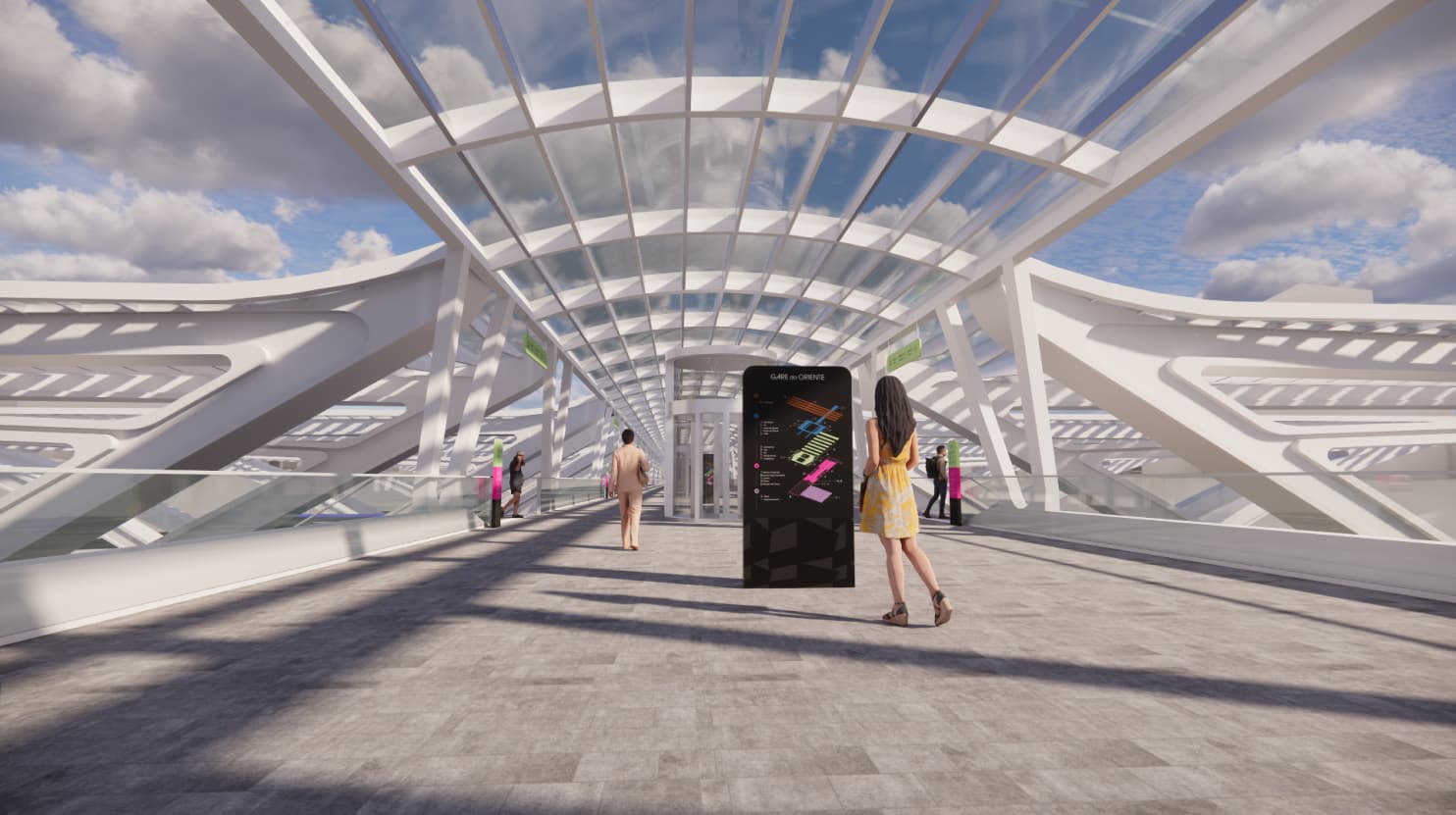
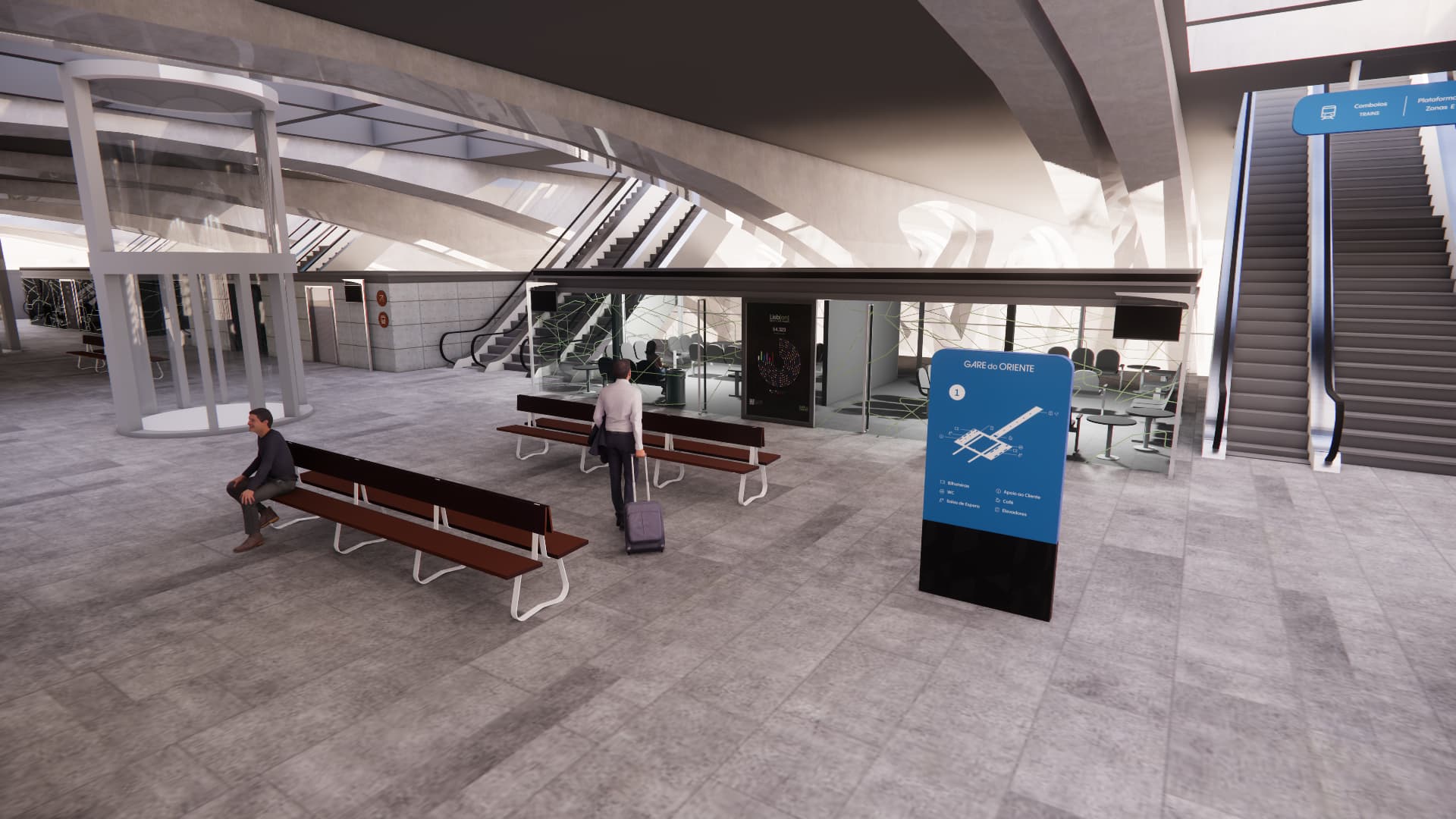
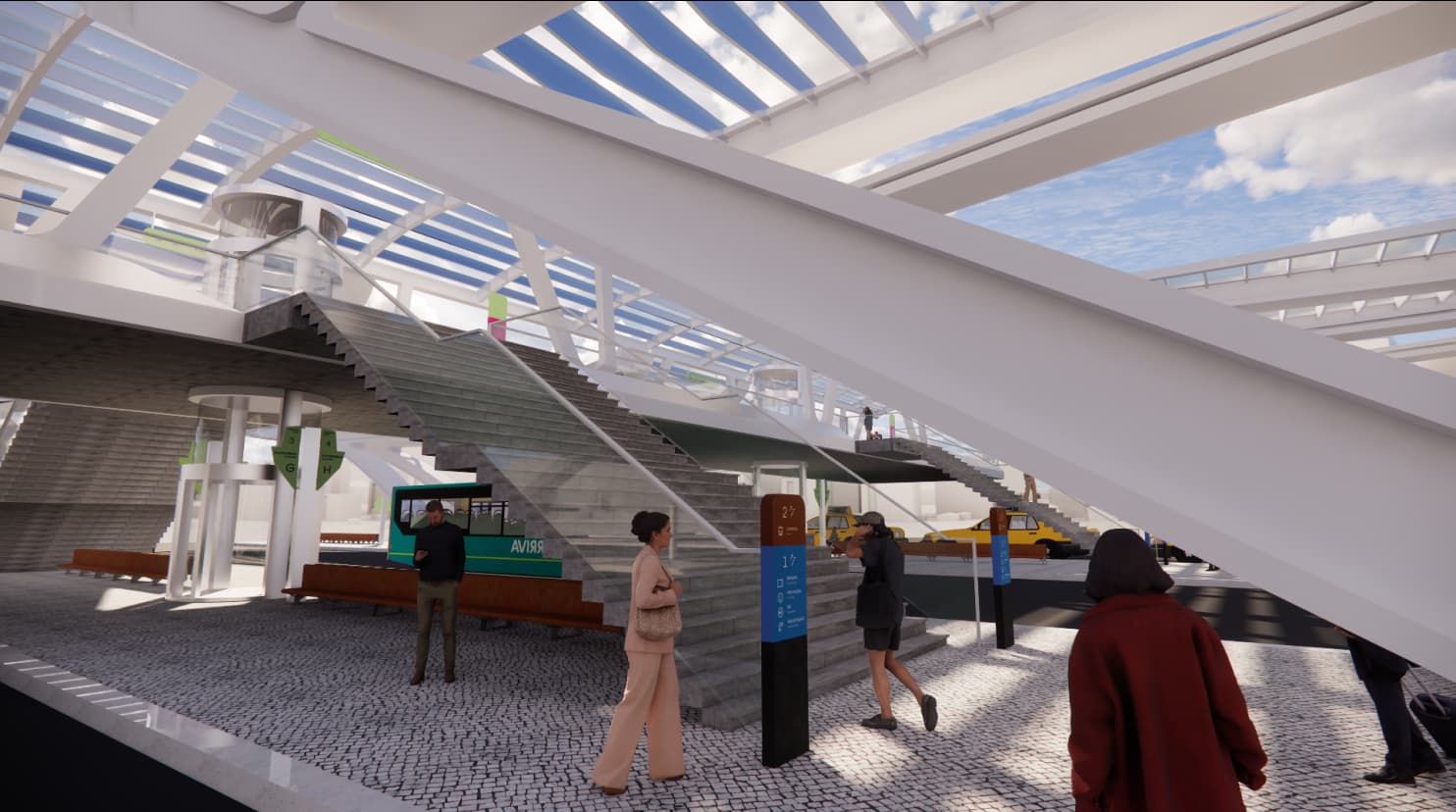
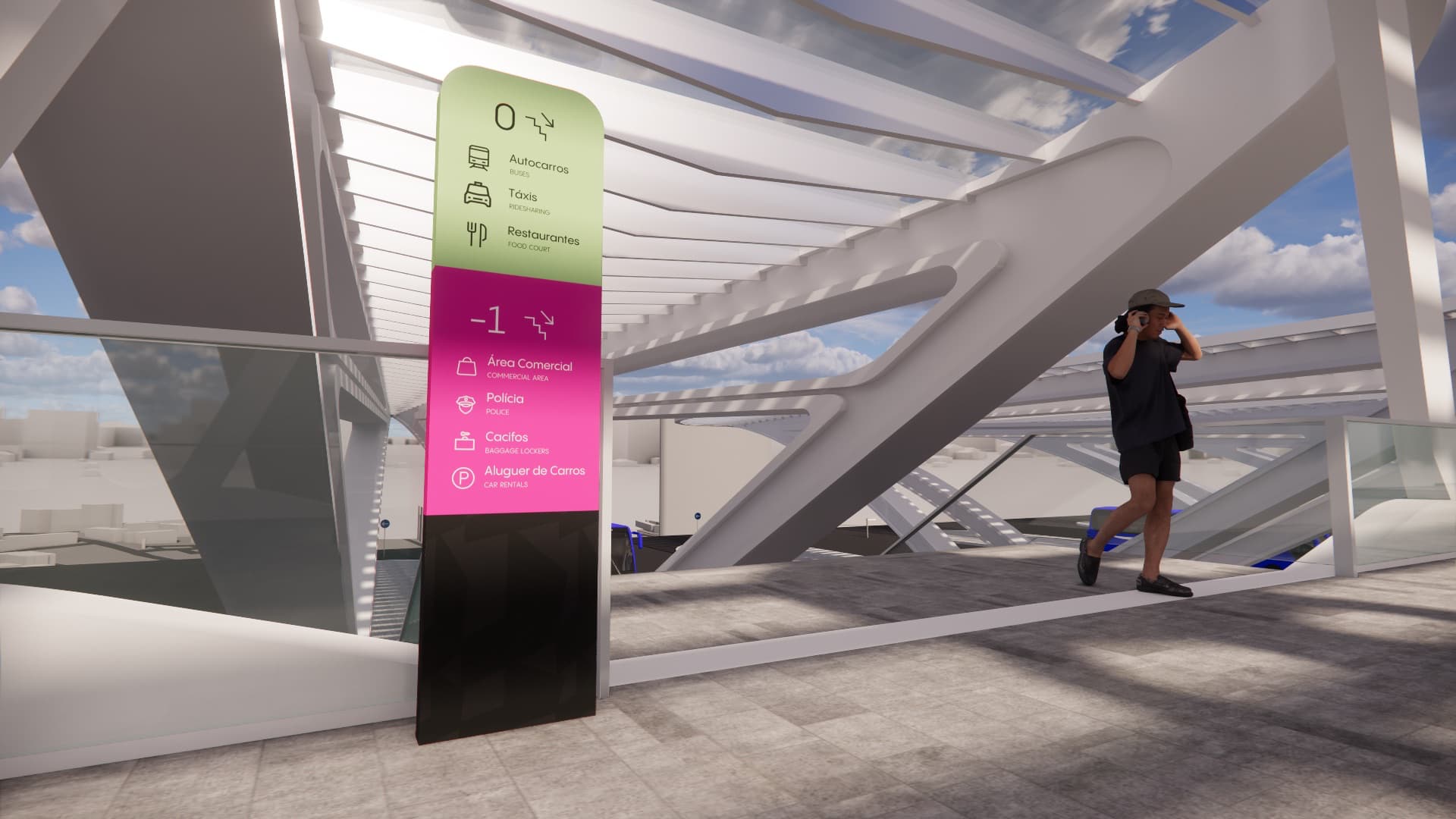
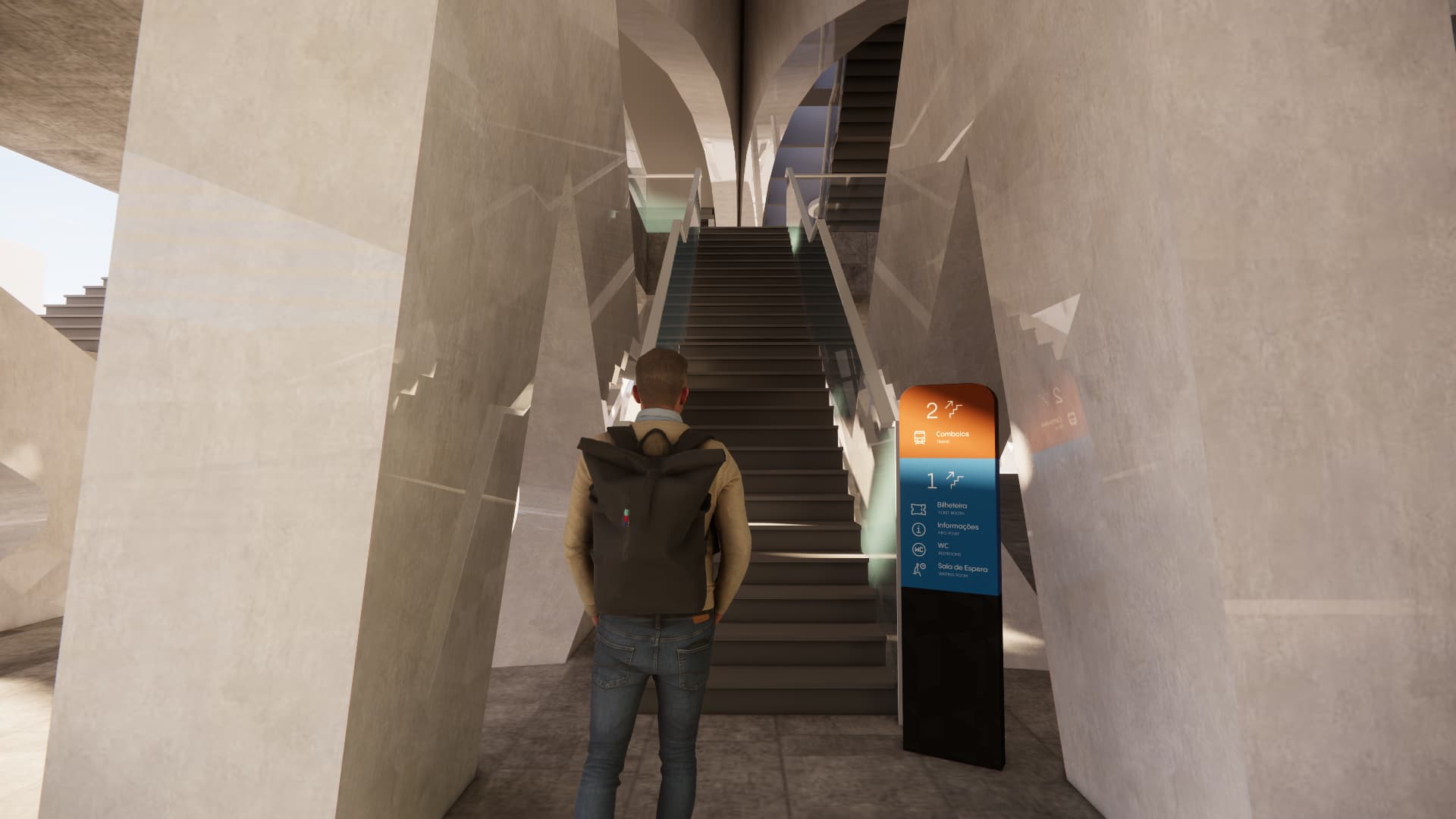
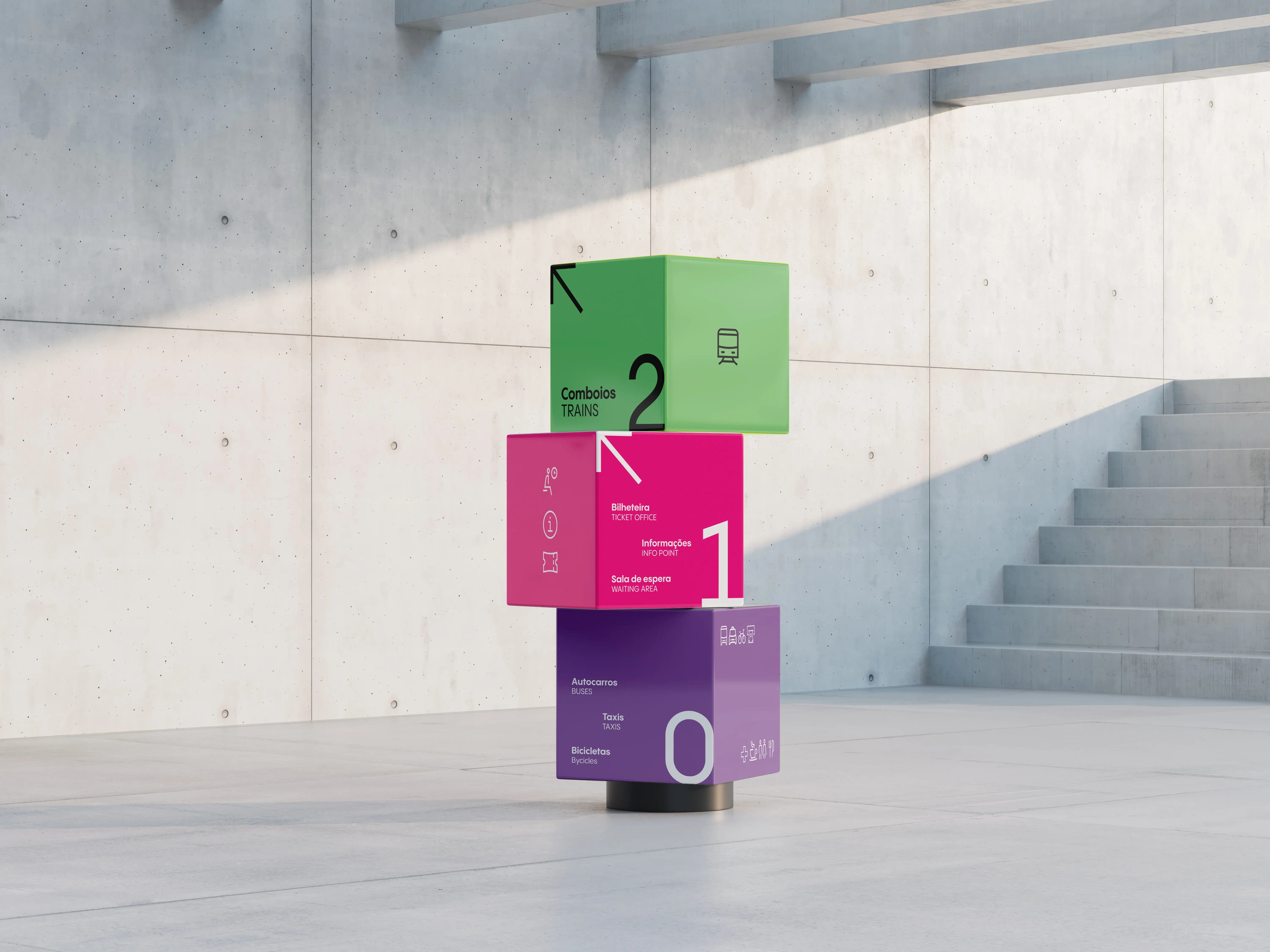
After establishing a flexible visual system, we applied its language directly to the station's wayfinding, ensuring coherence across all signage and touchpoints. From color-coded ceiling signs to platform identifiers and maps, every element followed the systems rules for alignment, contrast, and clarity. To fully visualize how the wayfinding would work in context, we modeled the entire station in 3D, allowing us to test and refine the design before implementation.
Connecting People to the City
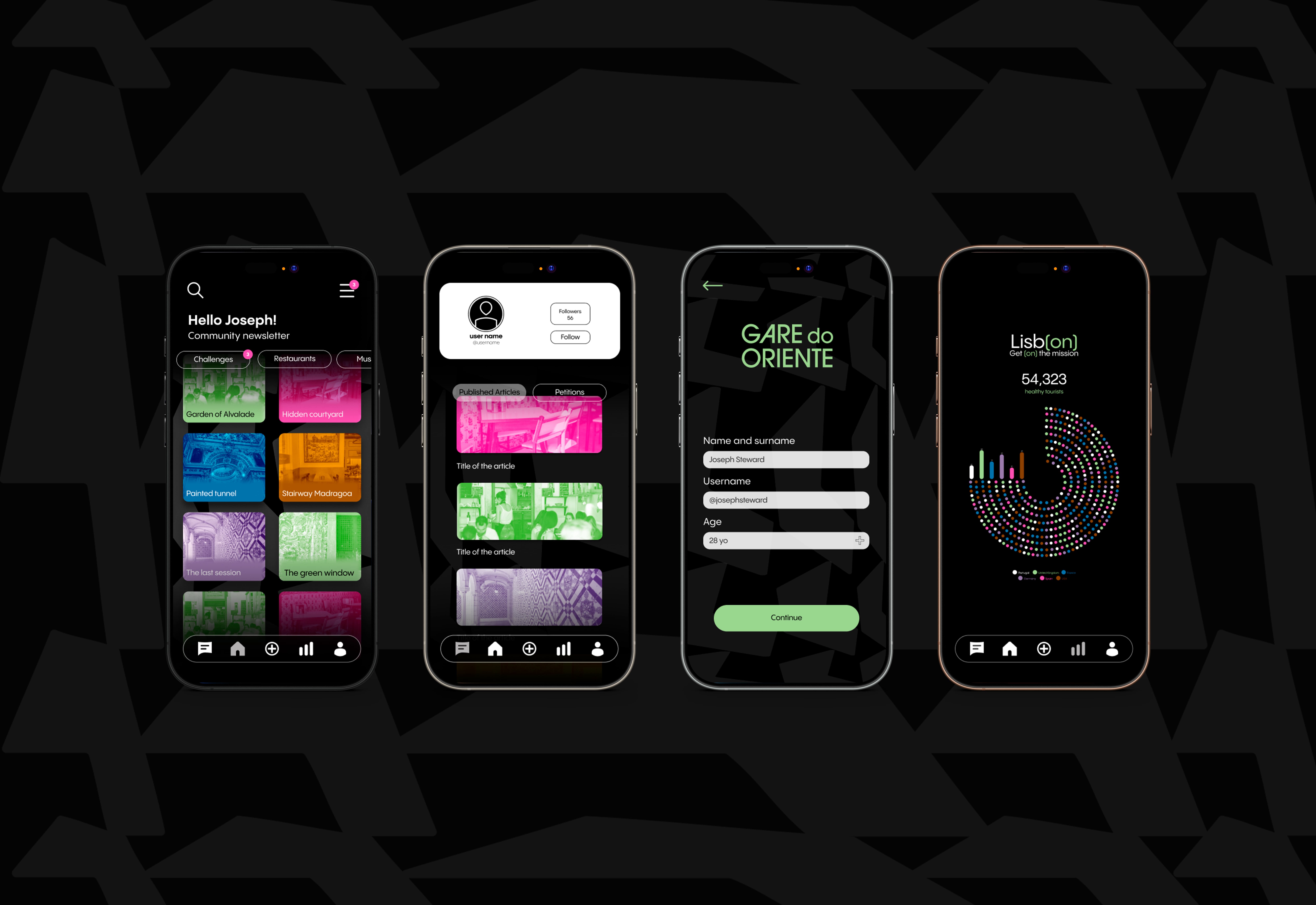
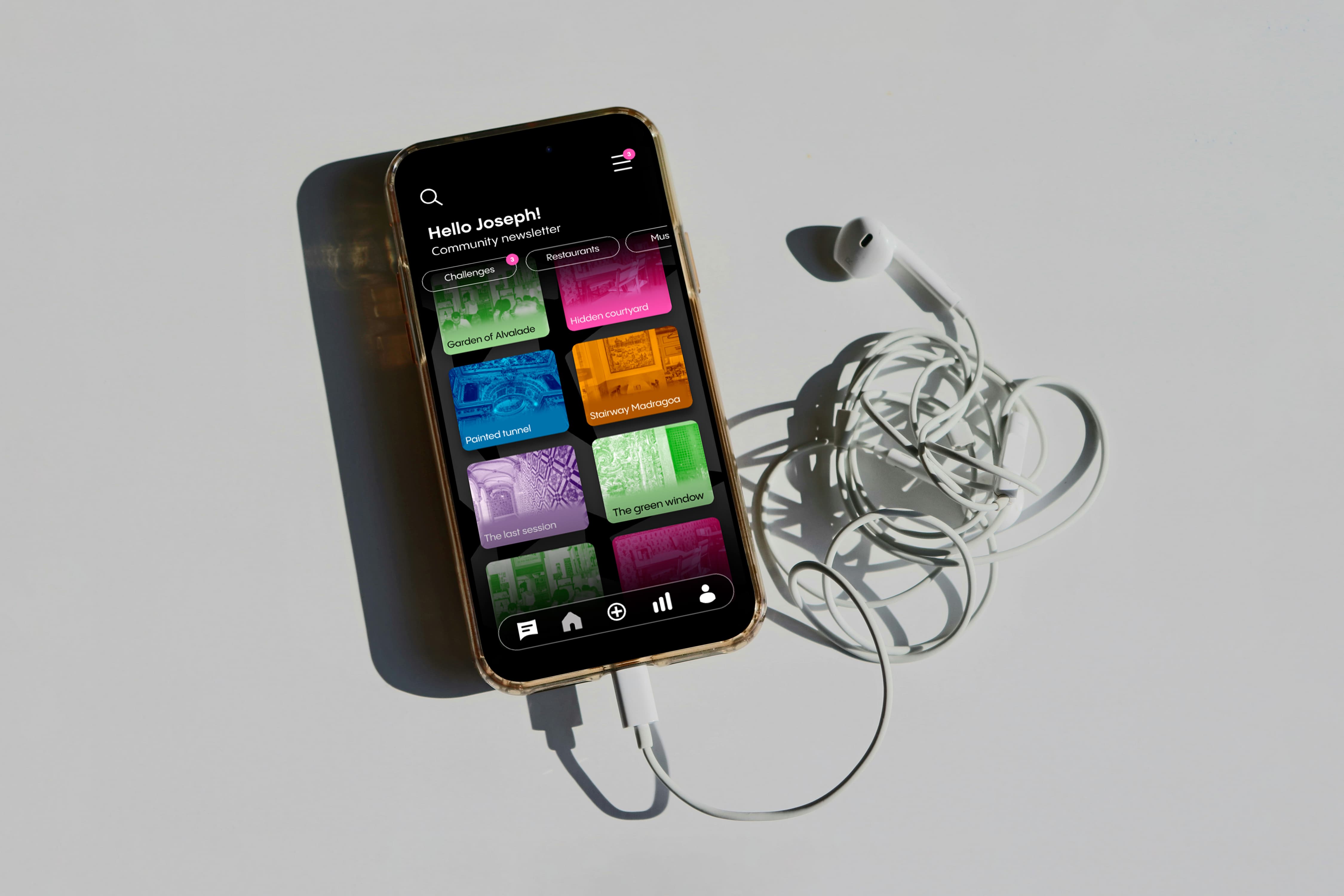
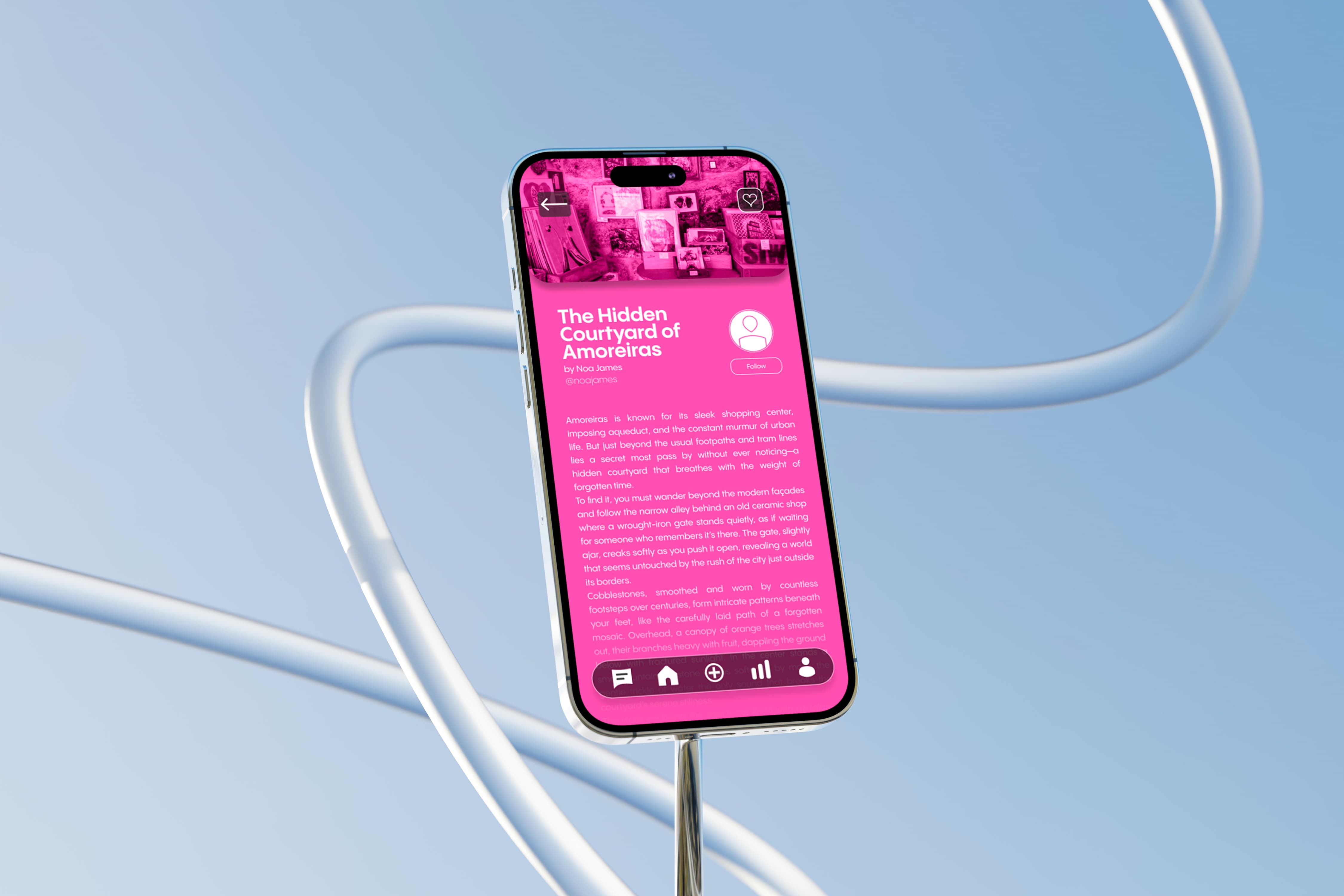
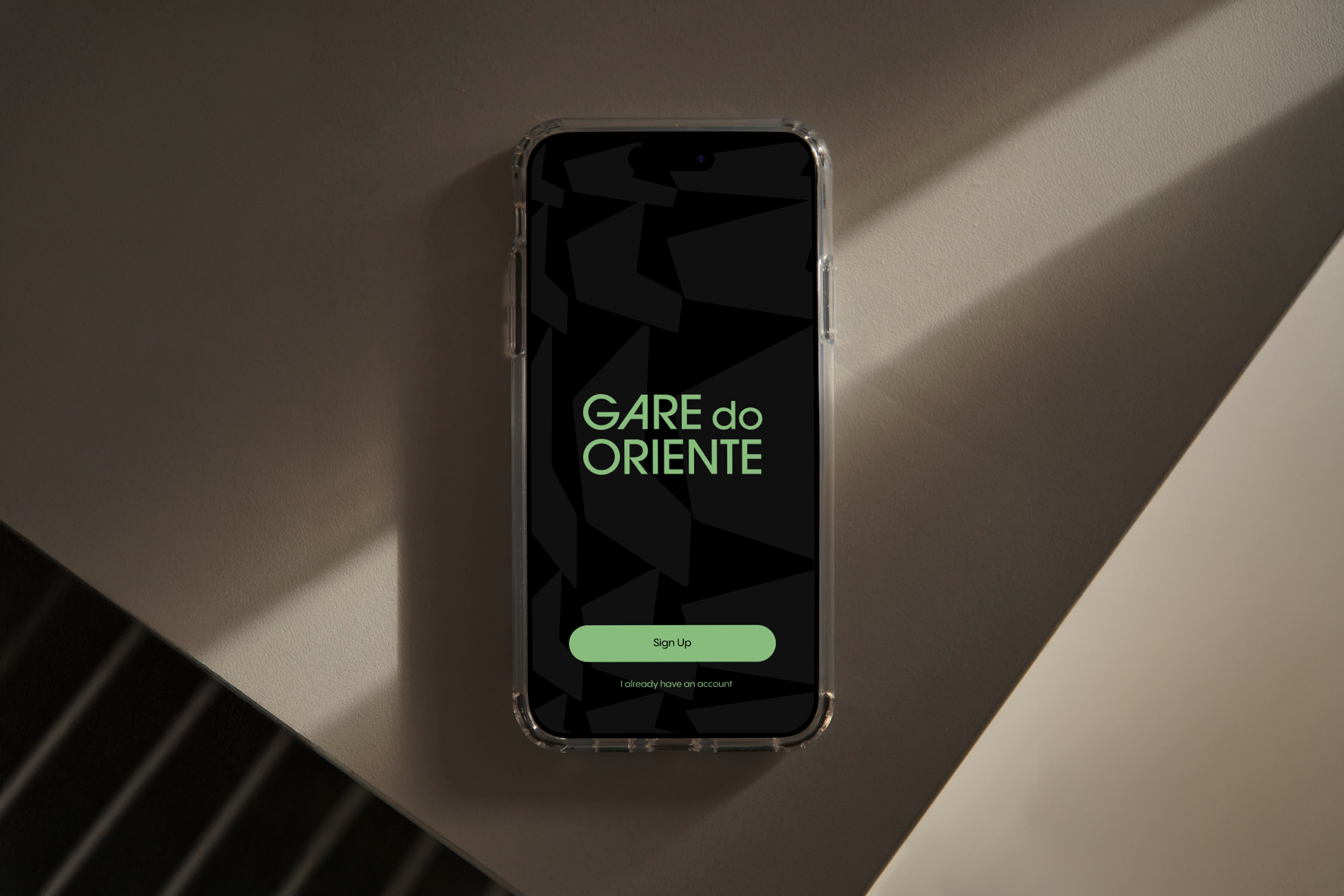
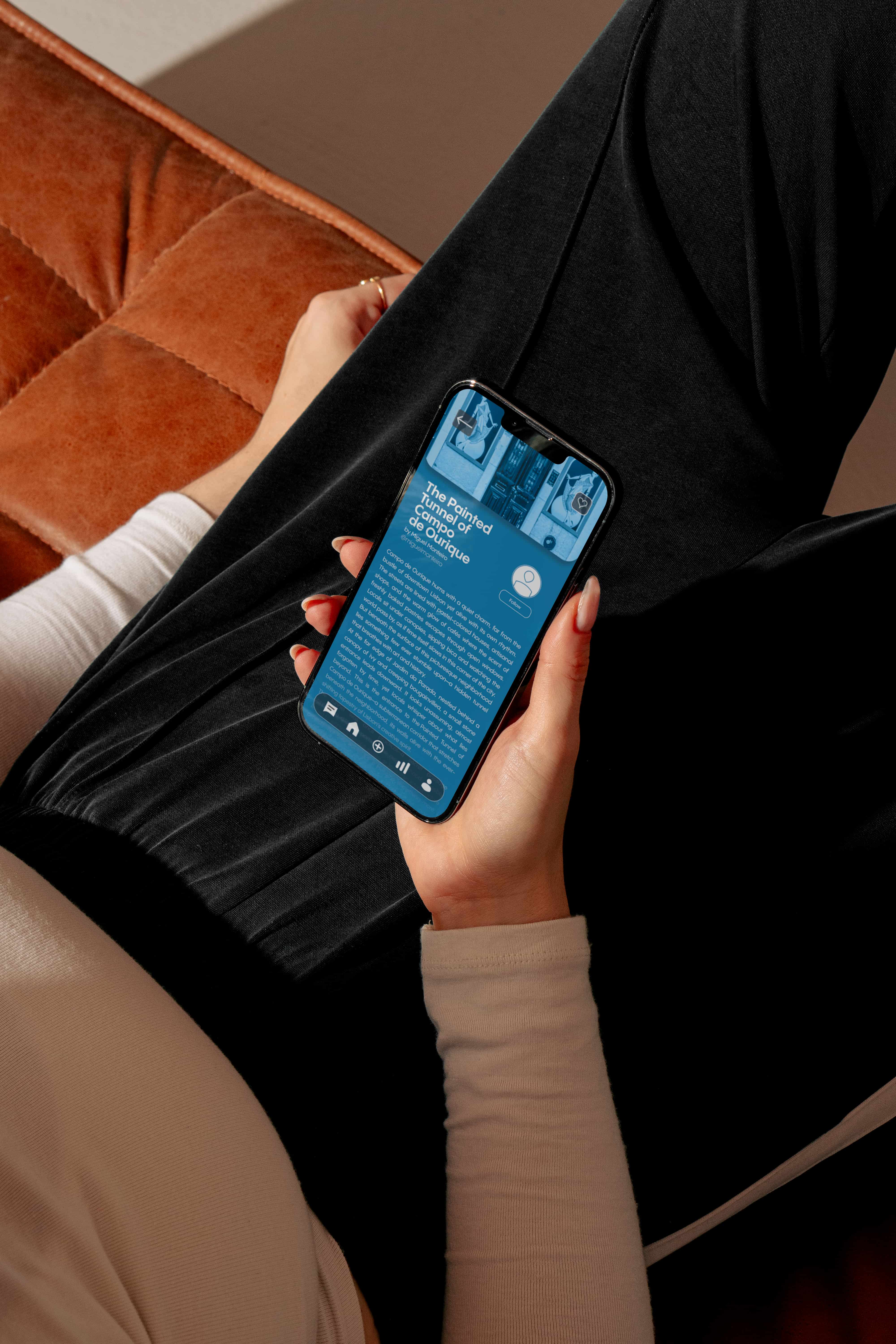
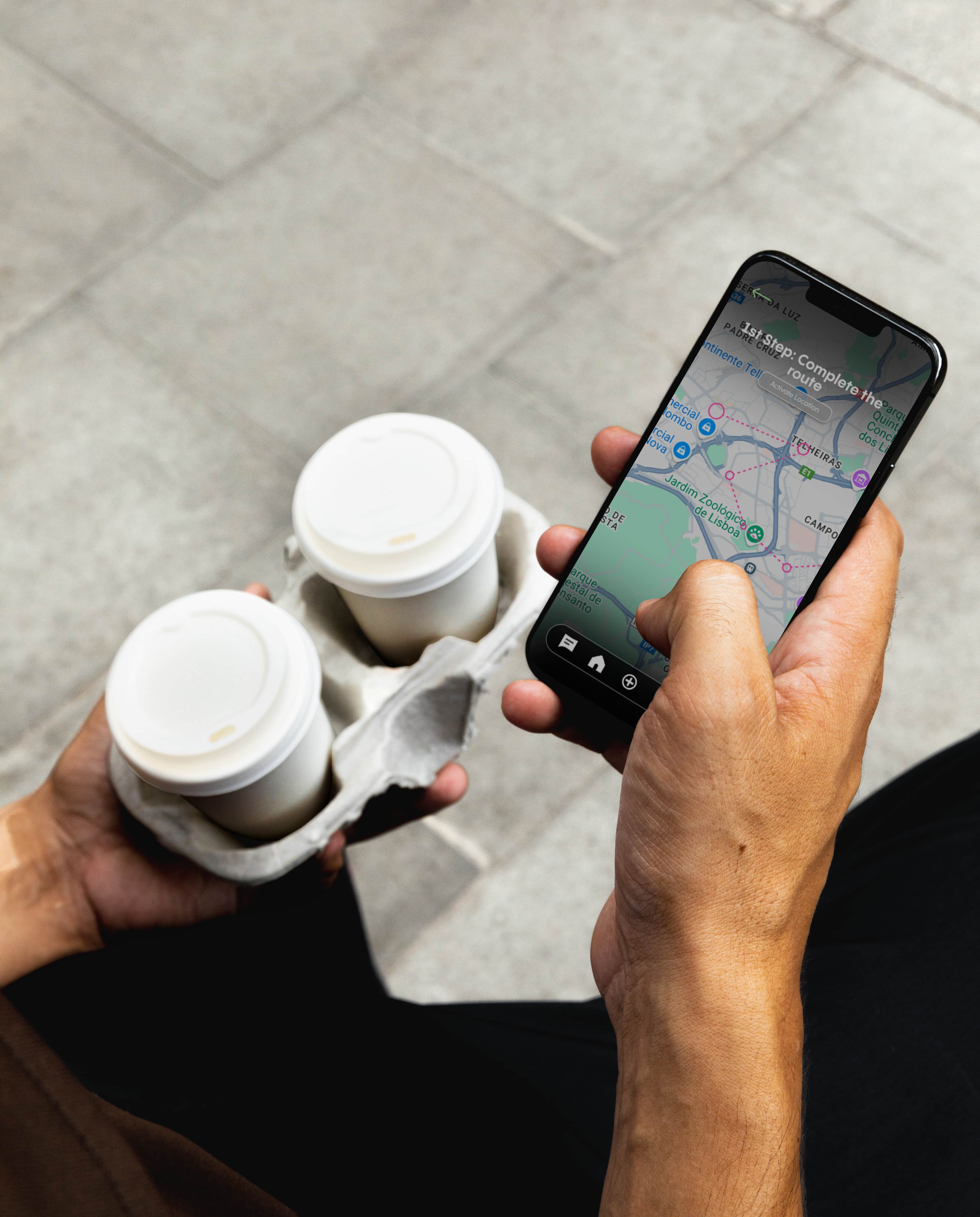
We developed a mobile app that brings users closer to the authentic Lisbon experience through real stories, local voices, and responsible tourism. By combining engaging infographics, curated routes by local guides, and user-generated content, the app highlights small businesses, cultural institutions, and the impact of globalization on the city's identity. It also features insightful articles created with local organizations, a reward system that encourages community engagement, and an interactive transport map with category filters and tailored public transport directions, making the platform valuable for both visitors and locals.