The Branding
Soul & Color
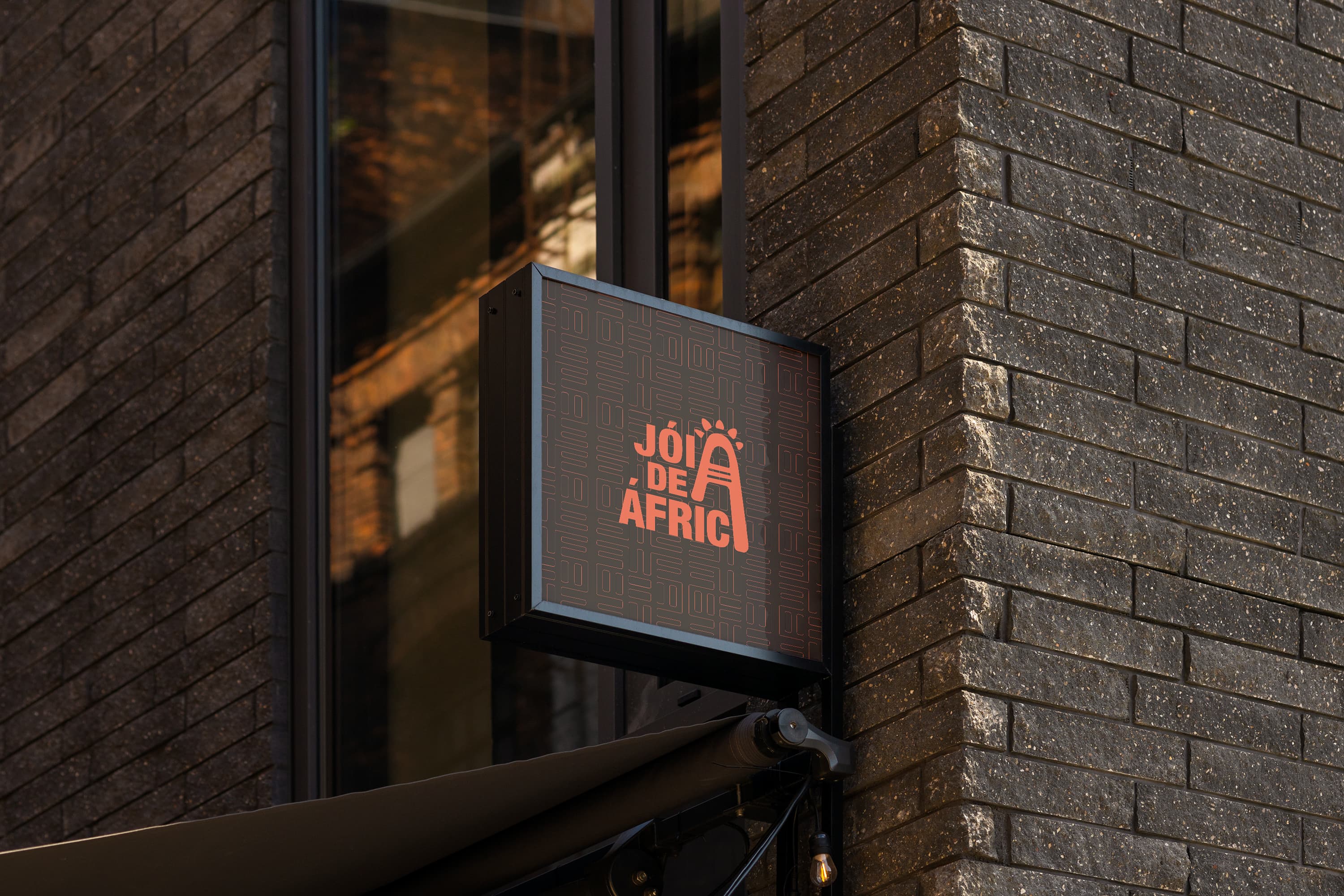
The visual identity is inspired by African culture, with orange and brown as the main colors. The
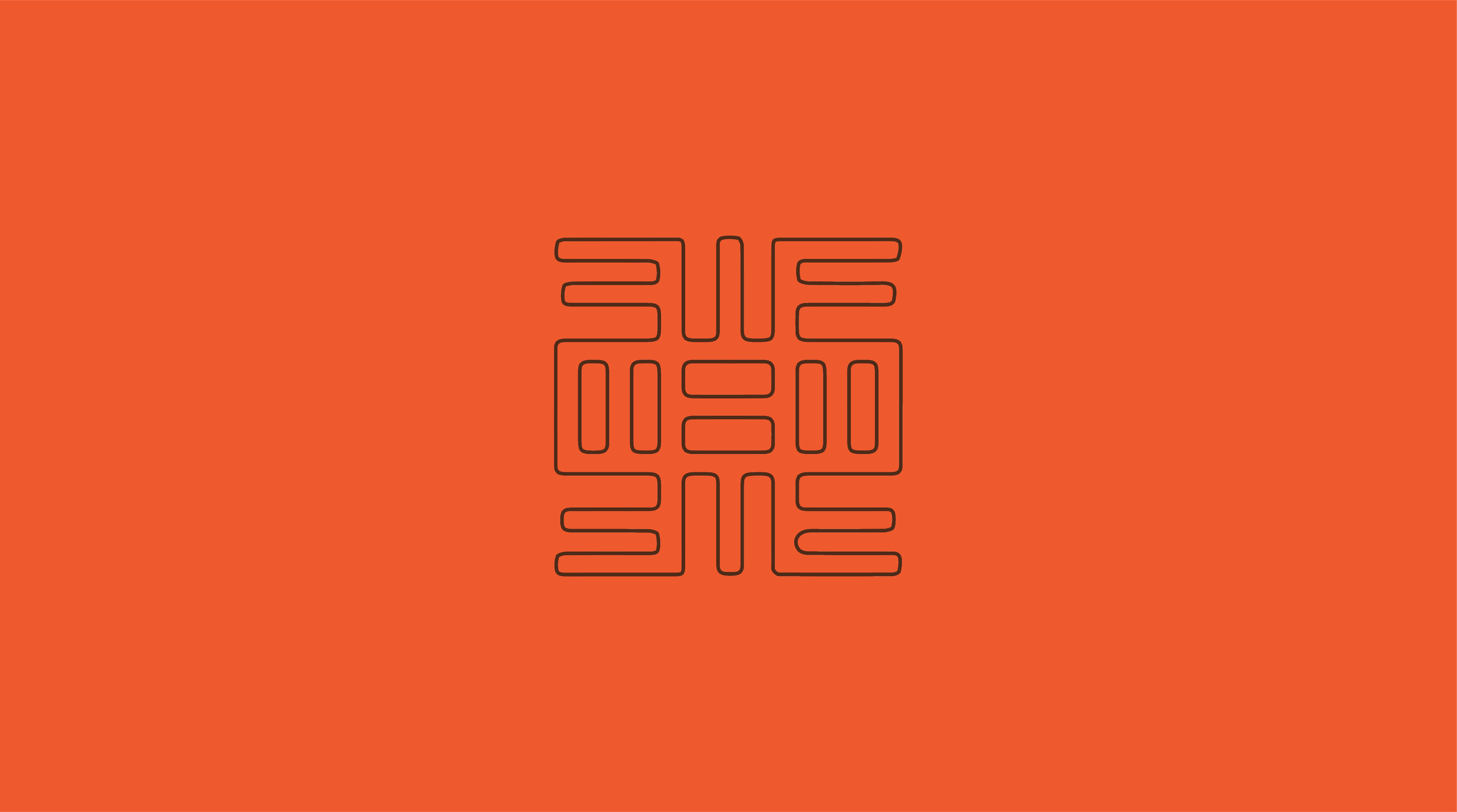
icon represents wisdom, reflecting the chef’s knowledge of traditional recipes and cooking
techniques. This icon is also used to create a pattern that can be applied across different
materials.
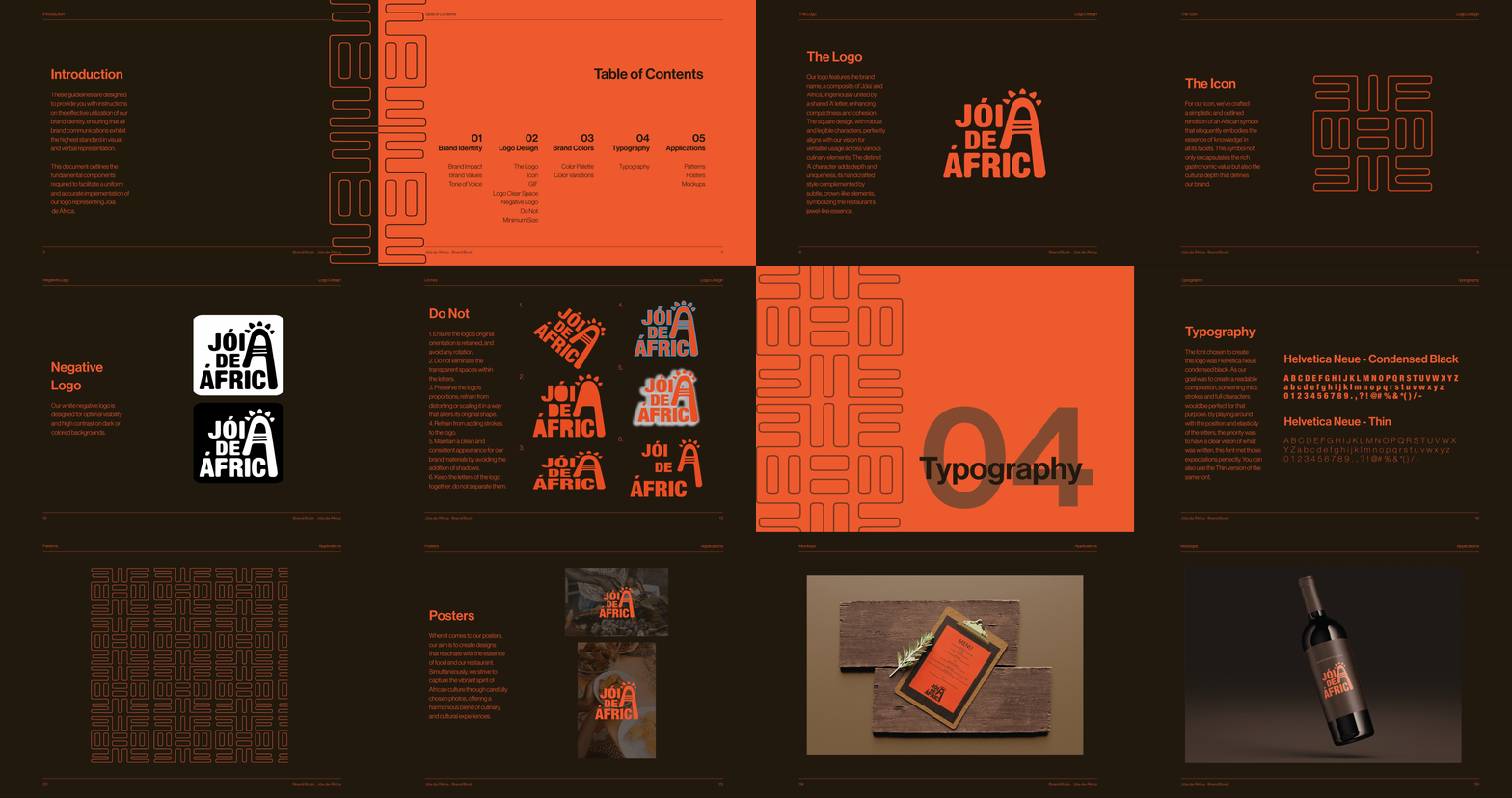
The branding includes the logo, color palette, typography, and graphic patterns, and is compiled in
a brandbook to ensure consistency and flexible application across all brand touchpoints.
Cooking Bag
Product Design
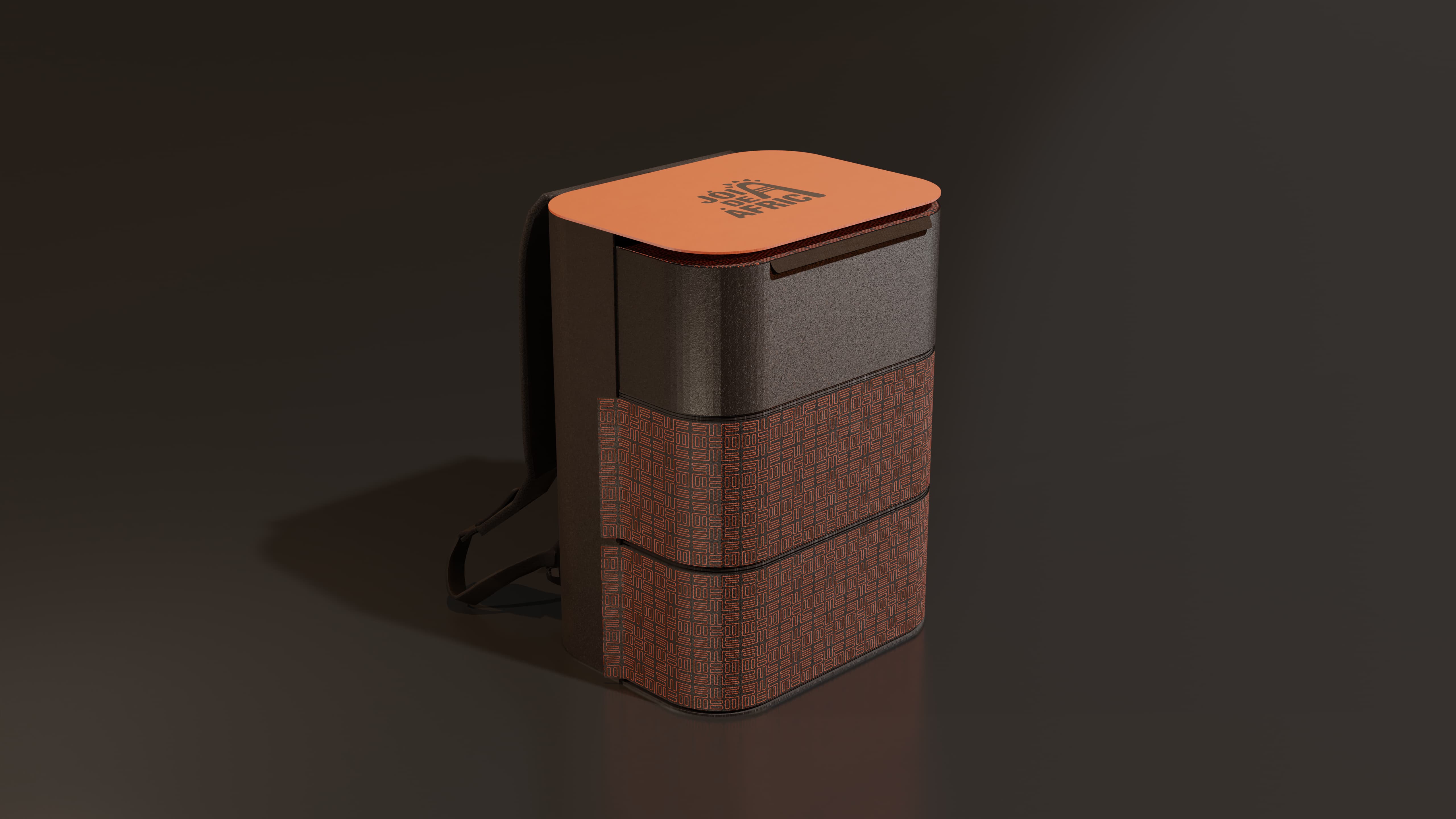
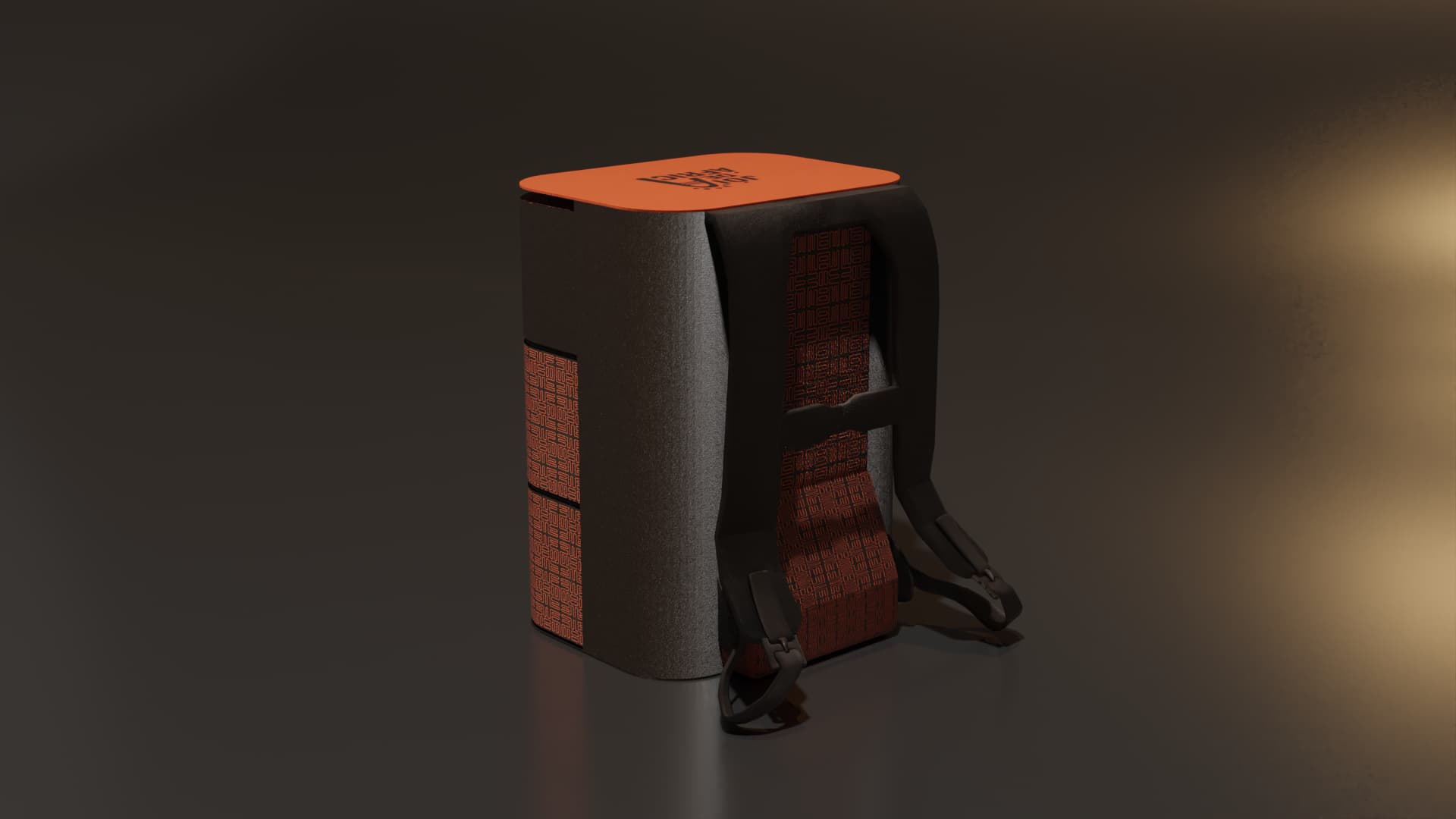
The Cooking Bag was designed as a functional extension of the brand, created to help expand the
business in a new way. It allows the chef to work at events or as a private chef at clients’ homes,
transporting essential tools and ingredients.
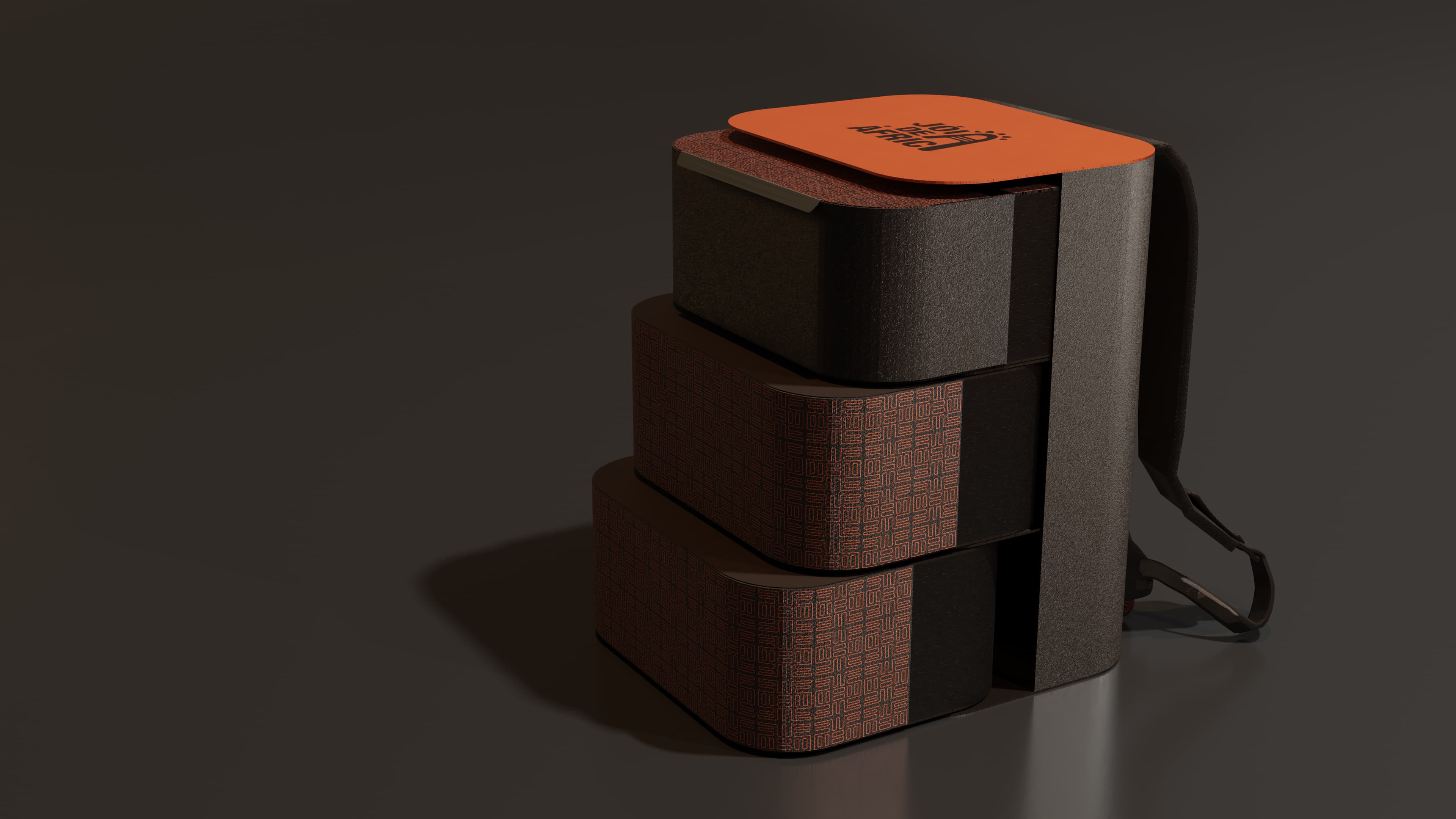
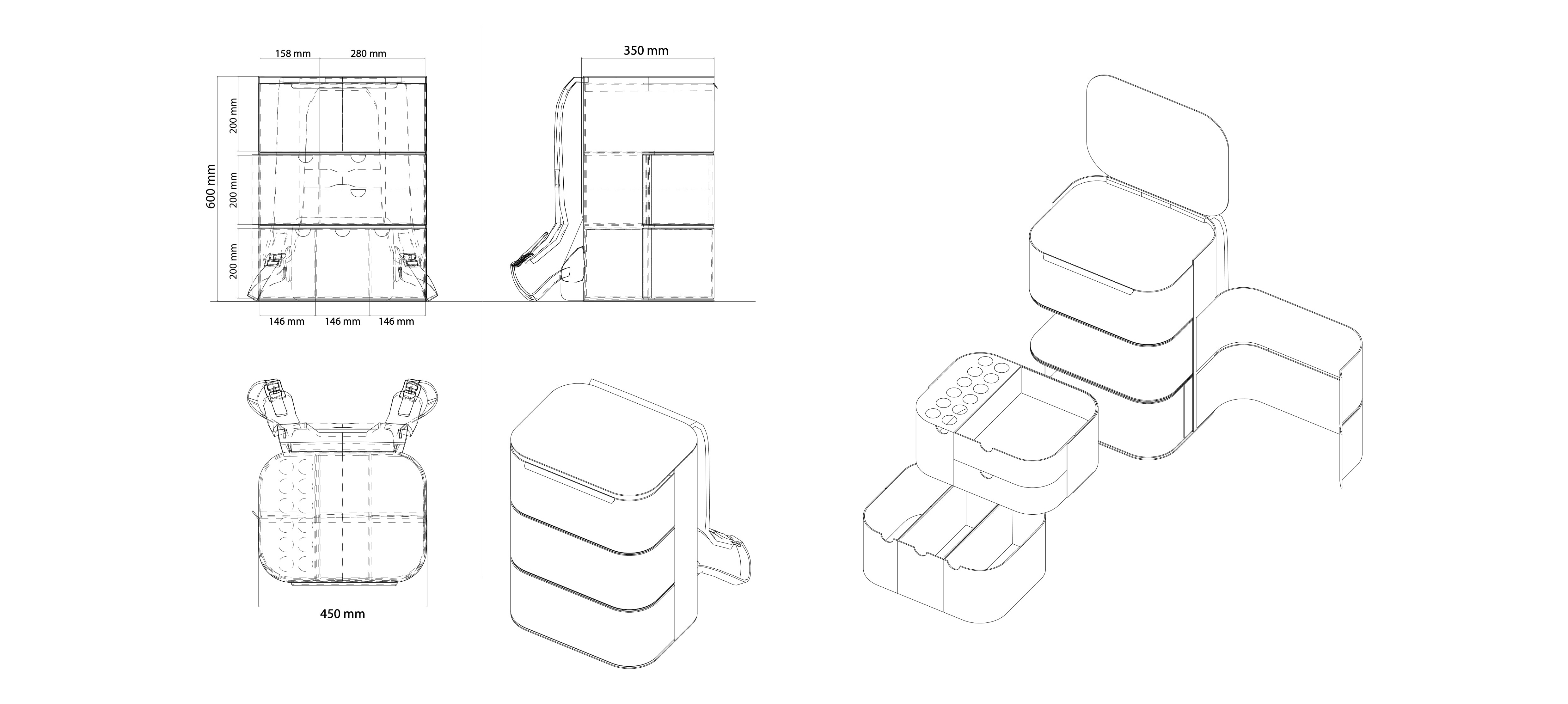
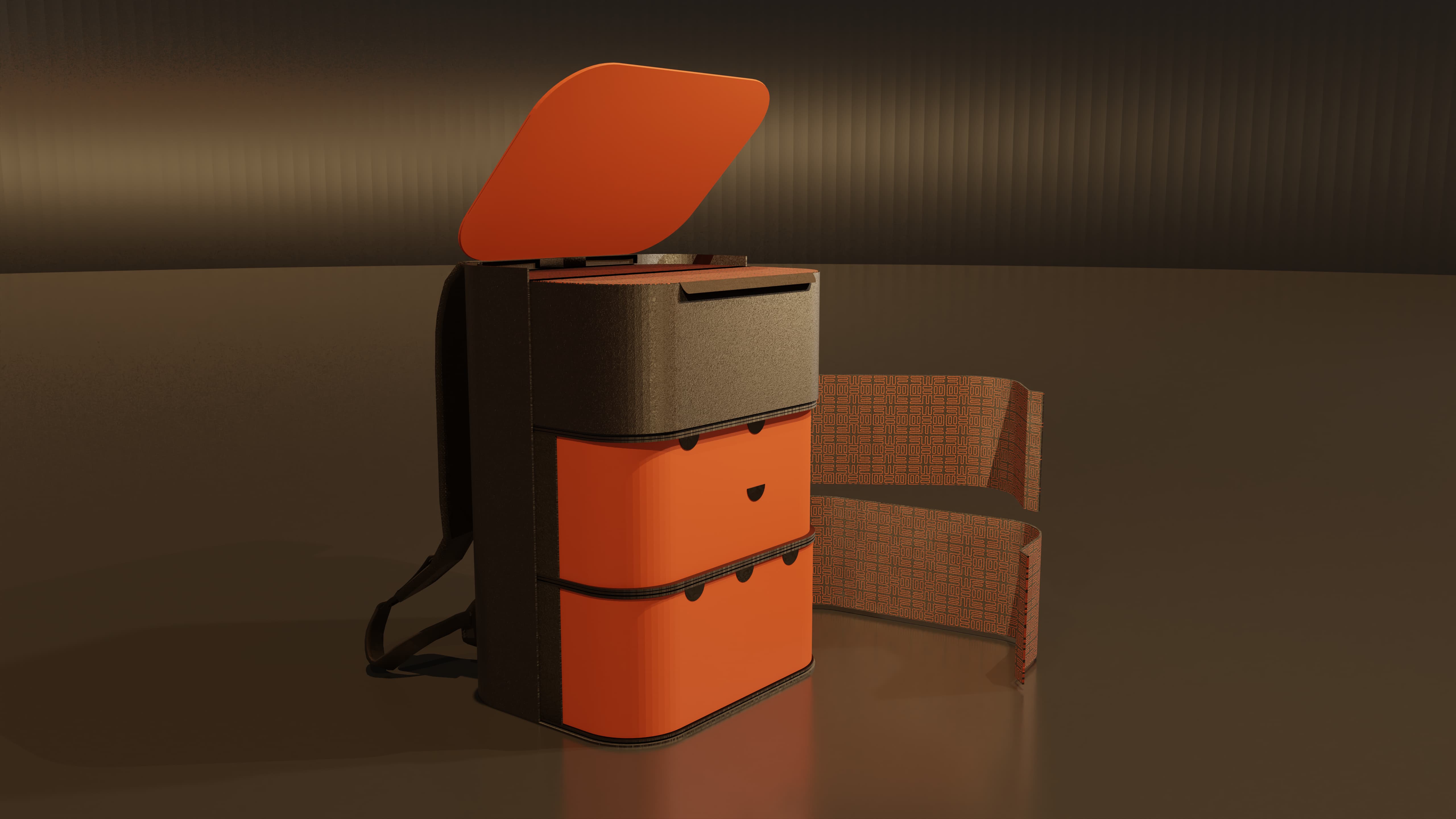
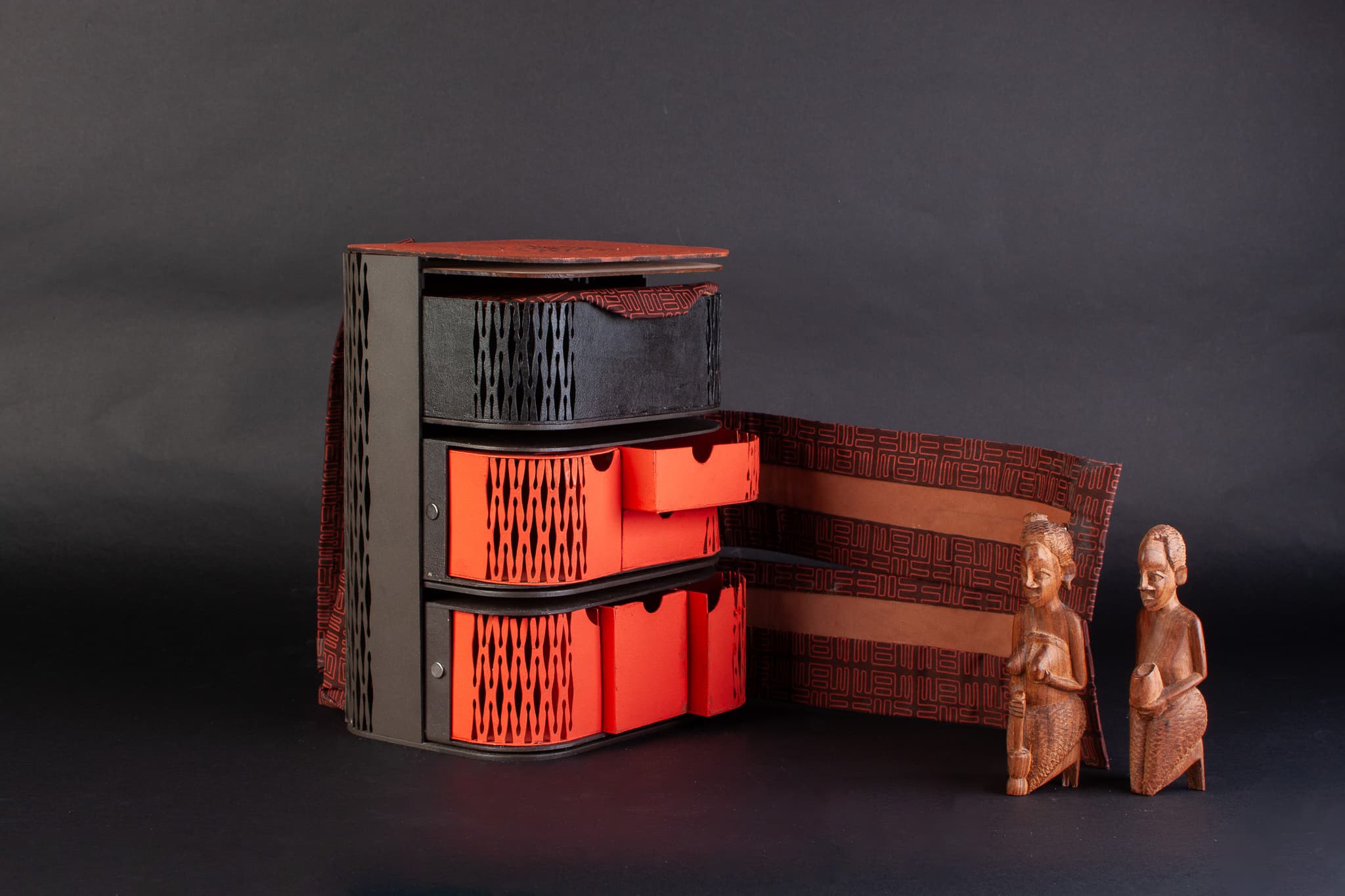
The bag features multiple compartments, for example for spices or cutting boards, and was developed
with extensive ergonomic studies to ensure practicality and durability. We used Blender to create
the Cooking Bag, refining its form and functionality. Its design maintains a strong visual
connection to the Jóia de África identity, reinforcing the brand beyond the restaurant.
The Construction
Behind the scenes
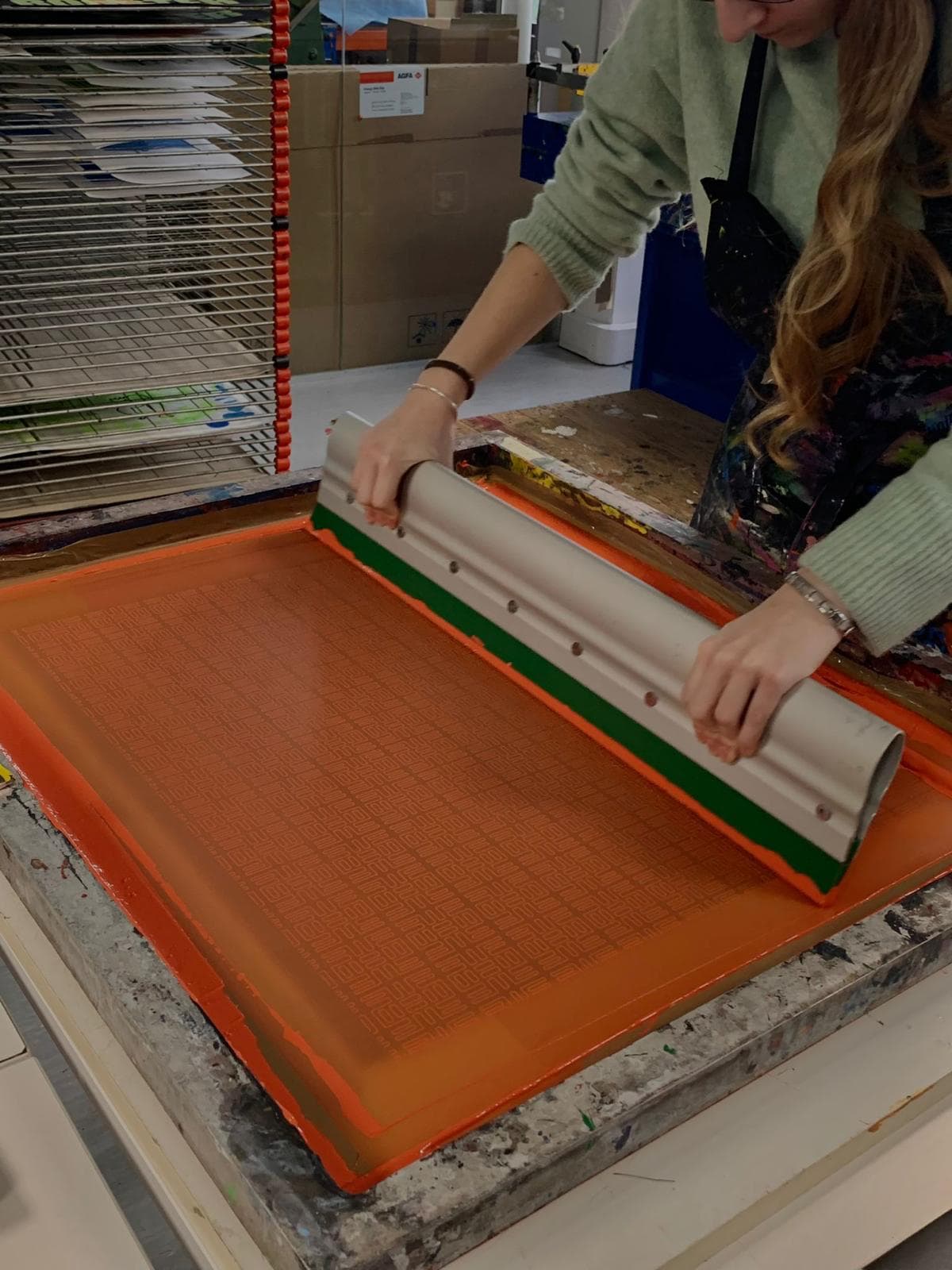
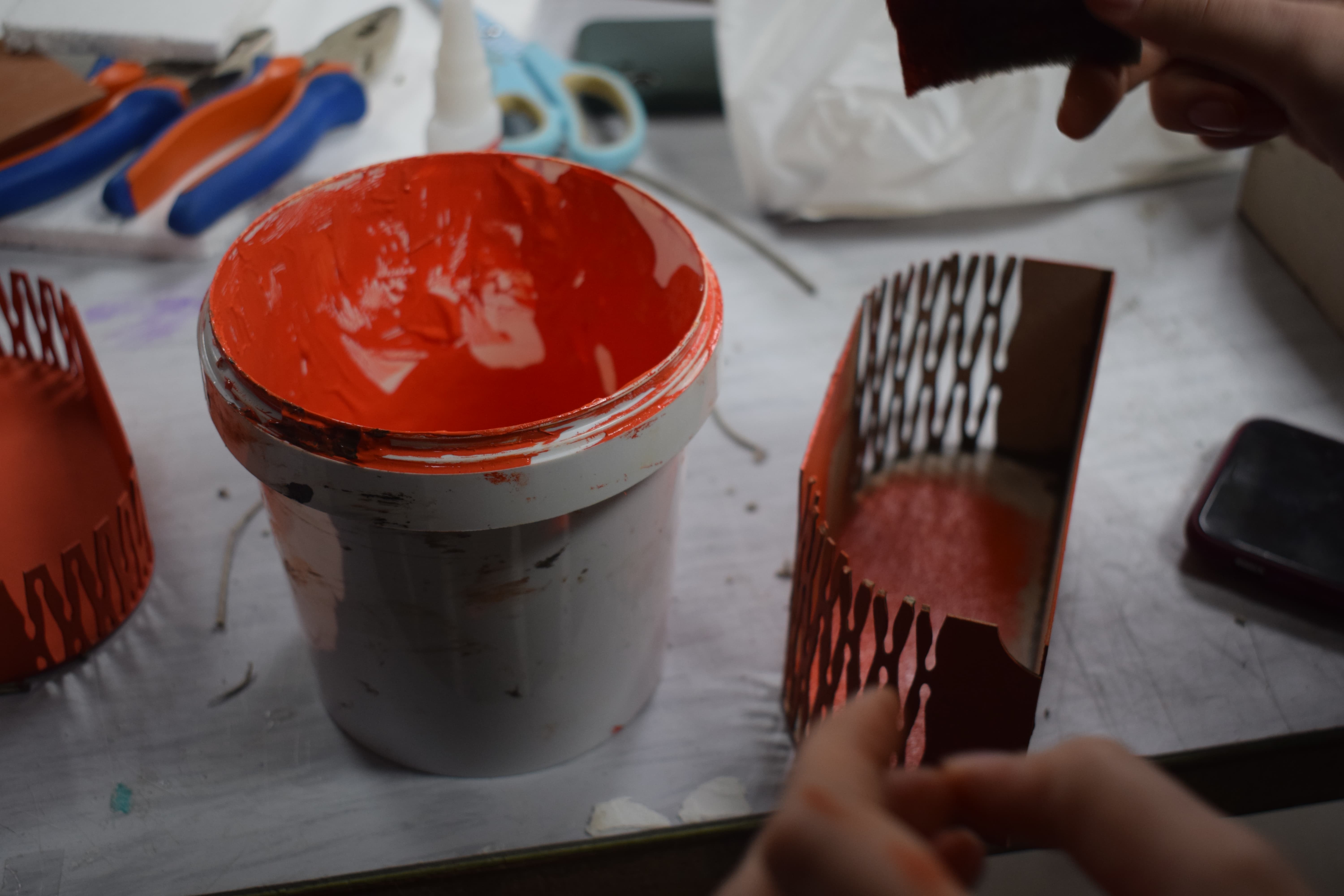
The process focused on experimentation and hands-on exploration to test form, structure, and
functionality. Through sketching, material tests, and iterative construction, we explored how the
product could respond to the practical needs of the restaurant while remaining aligned with the
brand identity.
Building the model involved continuous adjustments, allowing us to evaluate proportions, assembly
methods, and usability. This phase was essential to refine the concept and translate abstract ideas
into a tangible solution.
The Model
A physical exploration
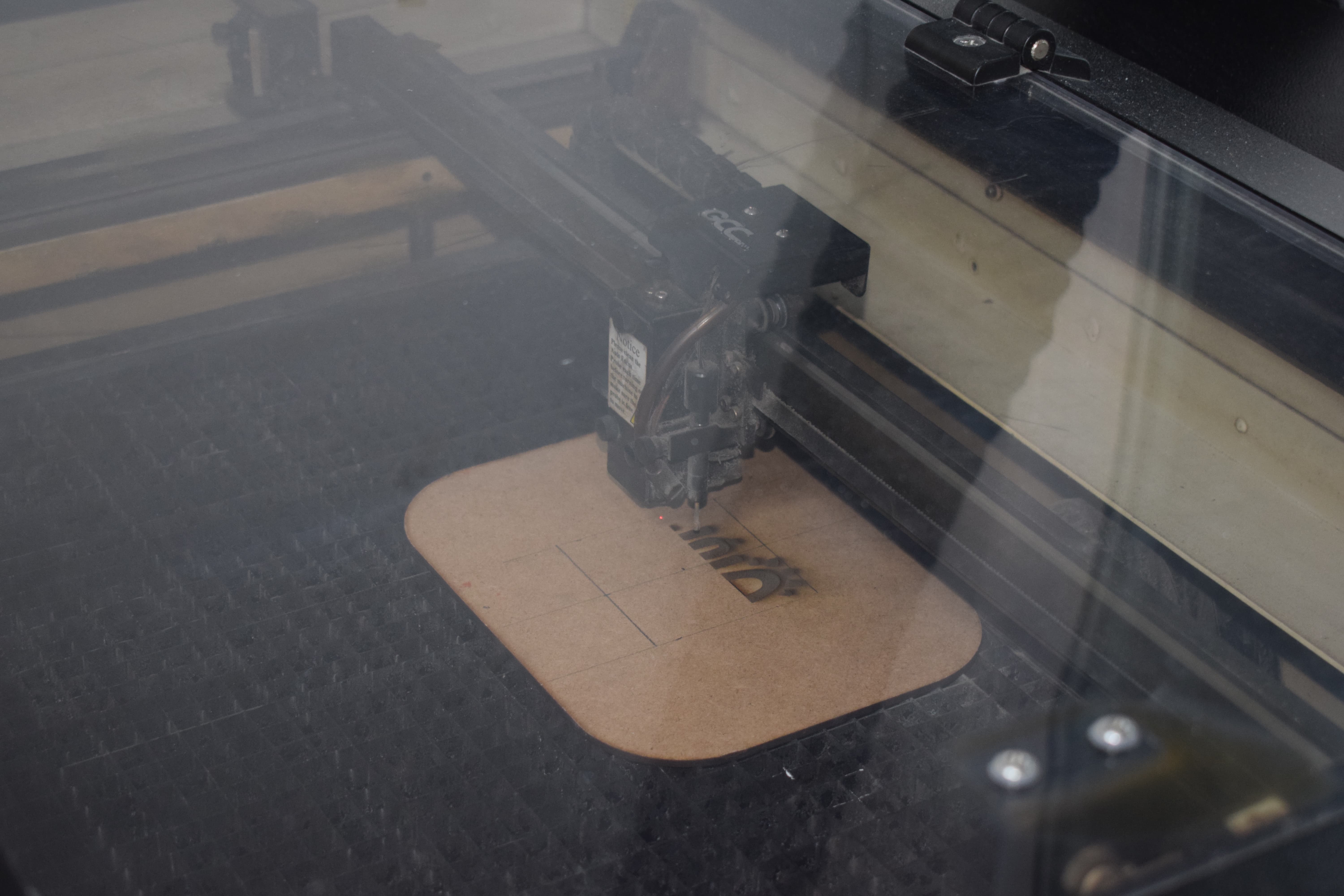
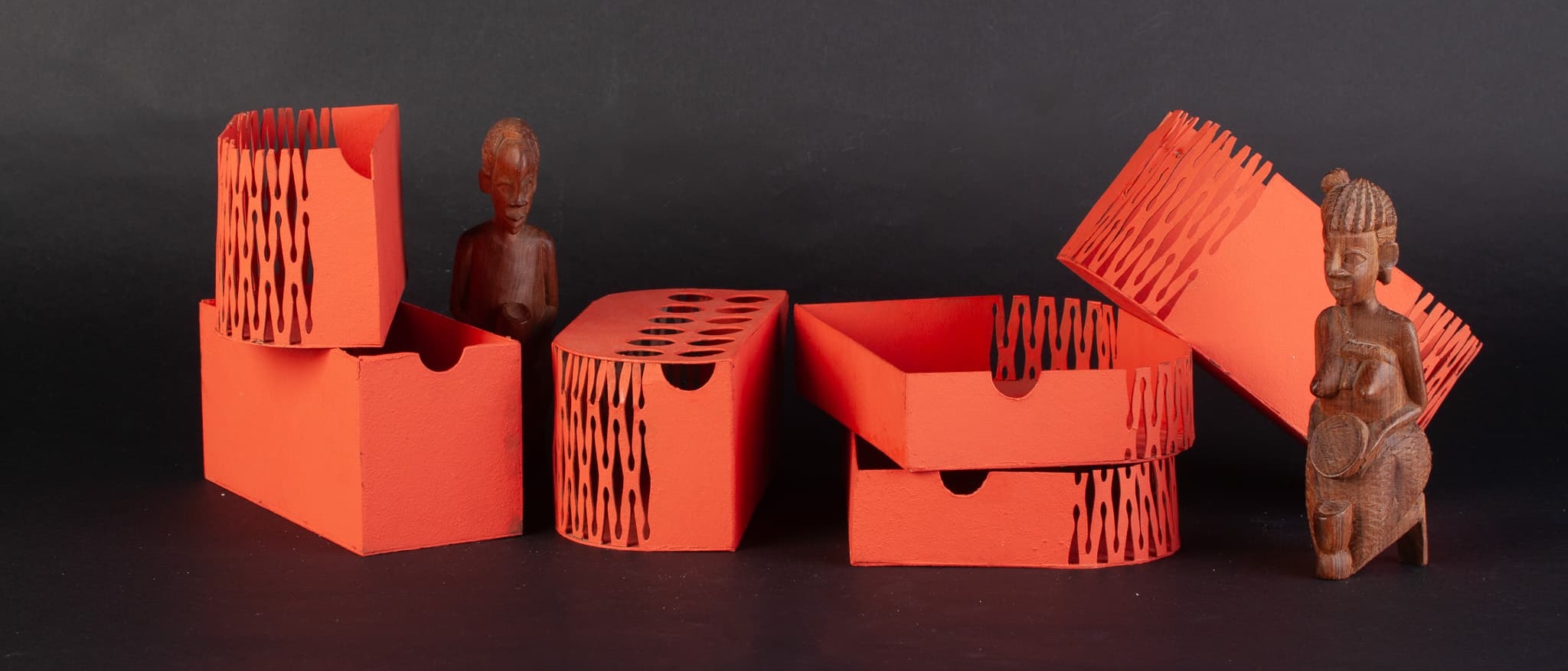
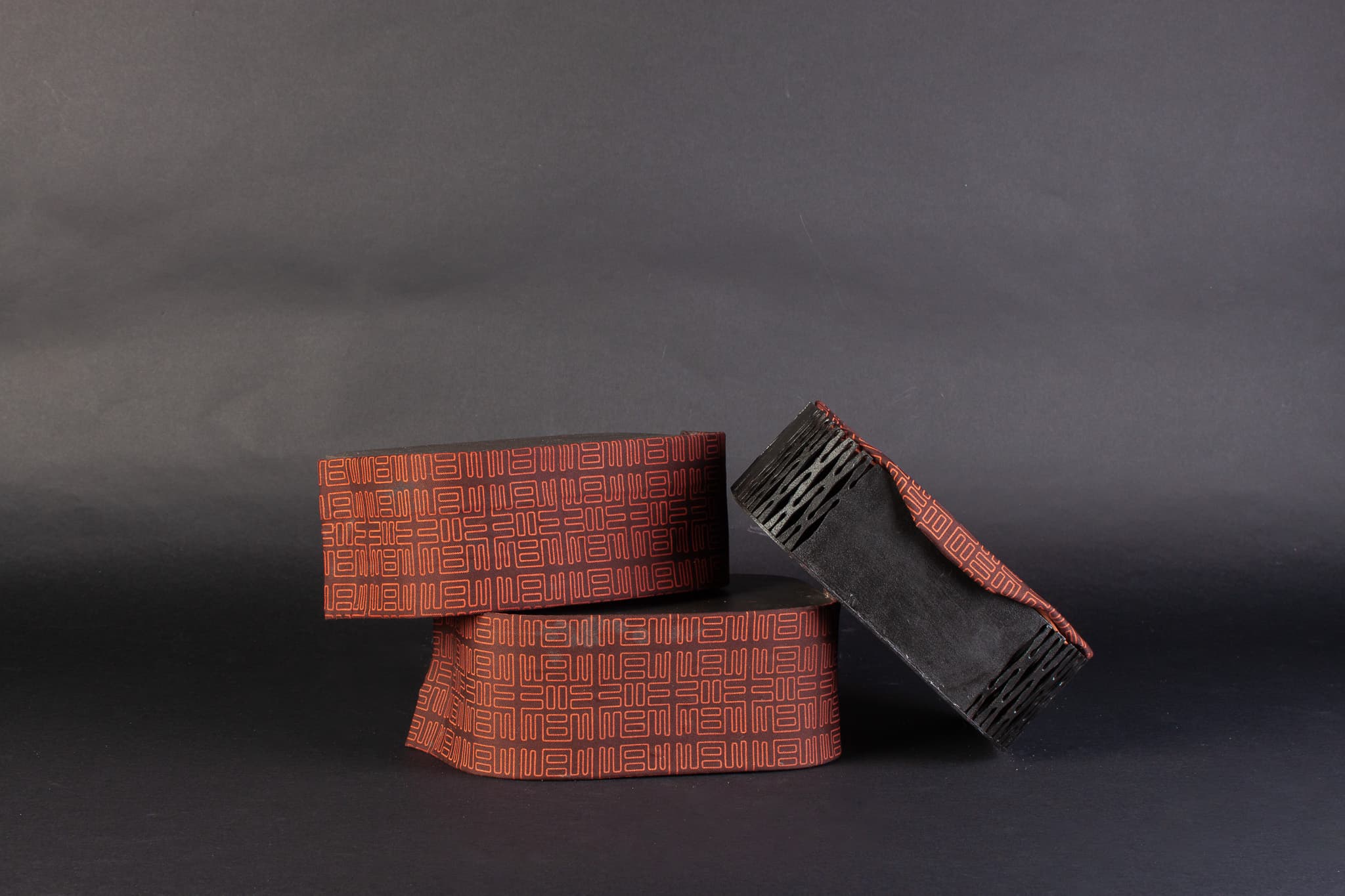
The final model was developed at a 1:2 scale to represent the Cooking Bag’s structure and design
intentions. It was constructed using laser-cut MDF and cardboard, enabling precision in form and
assembly.
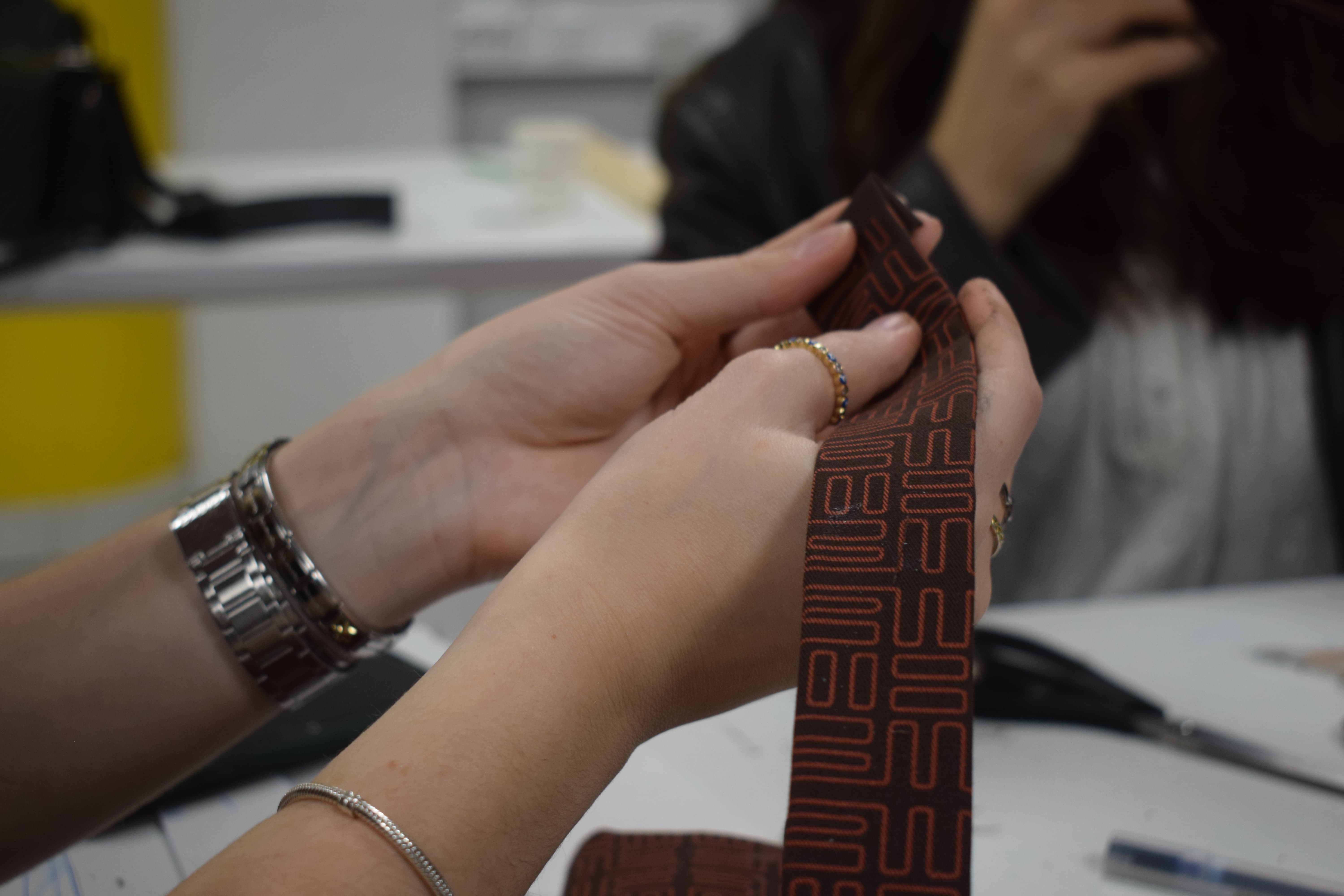
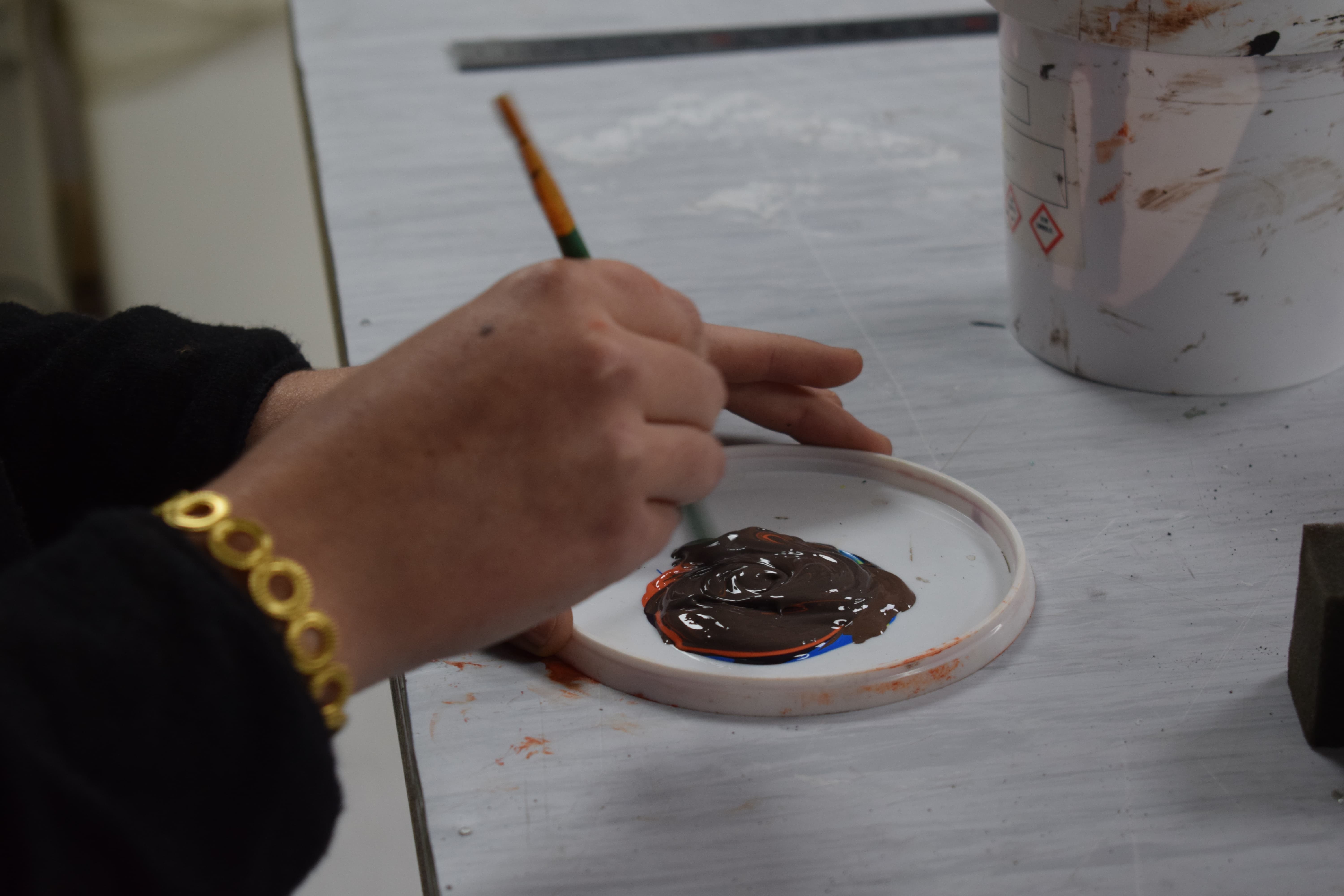
Screen-printed fabric featuring the brand's pattern was applied to the model, reinforcing the
connection between product and visual identity. Ergonomic considerations informed the model’s
proportions, resulting in a coherent physical representation that balances function, materiality,
and branding.